
How to Train Your Cat to Eat on a Schedule Without
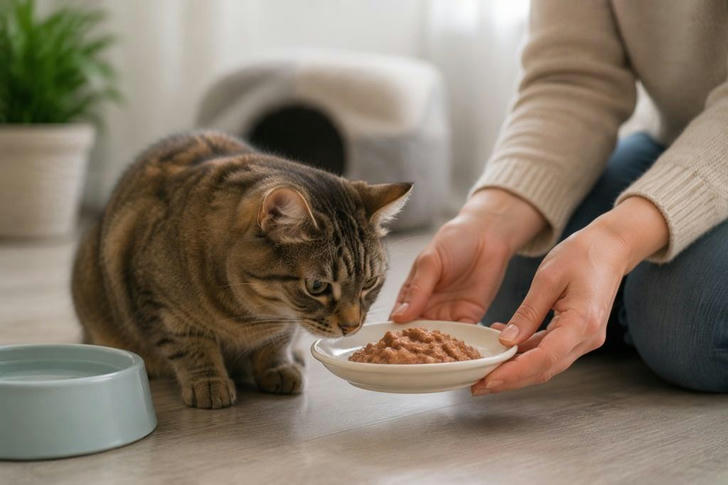
Living with a cat can mean getting woken up before sunrise, hearing endless meows near the food bowl, or watching your picky eater turn away from dinner. Feeding time shouldn't have to be a daily battle. With a few simple changes, you can help your cat develop a more predictable eating routine without constant begging or unnecessary stress.
1. Set Consistent Meal Times
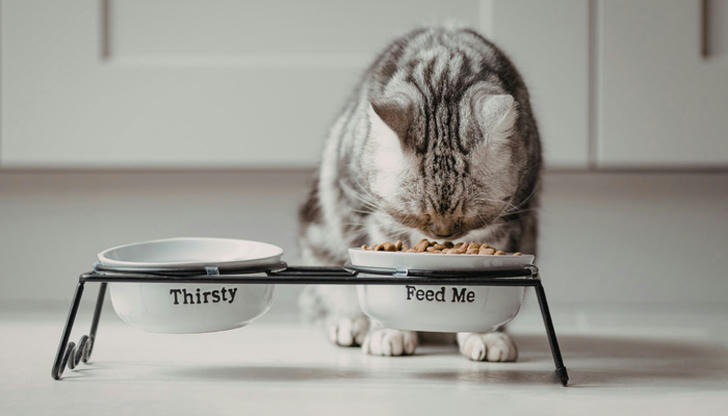
Cats tend to feel more comfortable when their daily routine is predictable. Instead of filling the bowl whenever your cat asks for food, choose regular meal times that fit your schedule. Many adult cats do well with multiple measured meals throughout the day, although the right routine depends on their age, health, and individual needs.
If your cat is used to grazing or getting food whenever it meows, don't expect an overnight change. Shift toward the new schedule gradually, keeping track of how much your cat eats. Consistency matters more than choosing a perfect time down to the minute.
2. Measure Portions Instead of Guessing
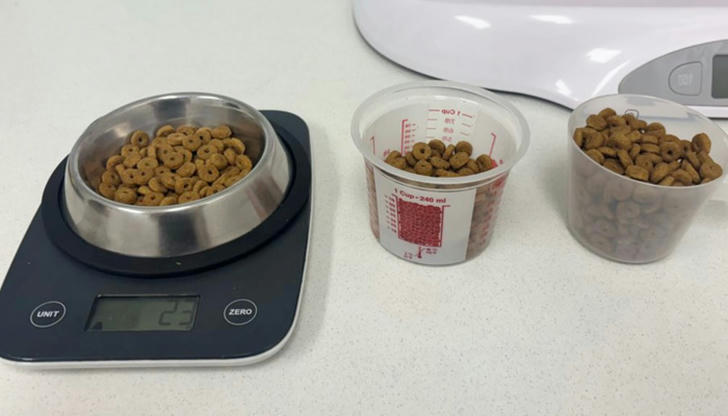
It's easy to give a little extra food when your cat looks hungry, especially when those big eyes are hard to resist. But frequent top-ups and treats can add up quickly. Check the feeding guidance on your cat's food and adjust portions based on its body condition, activity level, and veterinary advice rather than relying on guesswork.
You can measure out the day's food in advance and use part of that amount for training rewards. This makes it easier to keep track of total intake without accidentally feeding extra calories throughout the day.
3. Stop Rewarding Every Begging Session
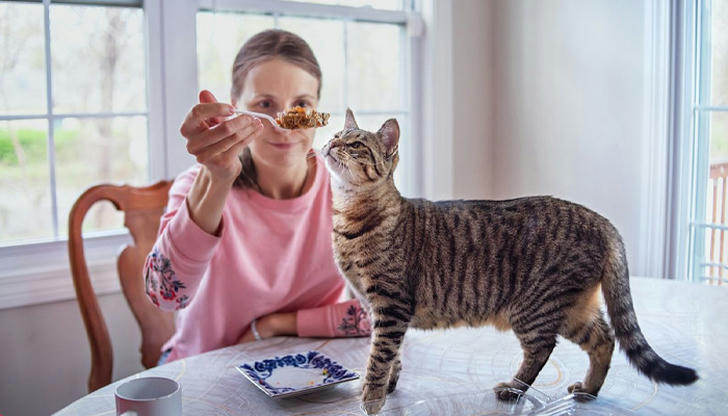
When a cat meows beside its bowl and immediately gets a snack, it can learn that meowing brings food. Try to keep meals and treats on a predictable schedule instead of responding to every request. Reward calm behavior with attention, play, or affection when appropriate, rather than automatically reaching for the treat jar.
Expect some protest if begging has worked in the past. Stay consistent, but don't ignore signs that your cat may genuinely need food or feel unwell. The goal is to build a reliable routine, not to make your cat go hungry.
4. Make Mealtimes Calm and Comfortable

Choose a quiet feeding spot where your cat can eat without being startled by loud appliances, busy foot traffic, or other pets. In homes with multiple cats, separate feeding areas can help reduce competition and make it easier to monitor each cat's intake.
Keep food bowls clean and provide fresh water every day. If your cat seems reluctant to eat in a particular spot, observe what might be bothering it before changing the food itself. Sometimes, a calmer environment can make a noticeable difference.
5. Handle Picky Eating Without Food Battles

Constantly switching flavors may seem like the easiest way to please a picky cat, but it can make feeding routines harder to manage. If you want to introduce a new food, transition gradually by mixing increasing amounts of the new food with the familiar one, provided your cat tolerates the change.
Don't try to force a cat to accept a new diet by withholding food. A cat that suddenly stops eating may have an underlying health problem. Contact a veterinarian promptly if your cat refuses food, particularly if it has other symptoms or is overweight.
6. Use Treats and Food Puzzles Wisely

Food puzzles and slow feeders can make meals more engaging for cats that eat too quickly or need extra mental stimulation. Start with an easy puzzle and let your cat learn how it works. You can also use a few pieces of its regular kibble as rewards for calm behavior or simple training exercises.
Keep treats within a sensible daily limit and count them as part of your cat's overall food intake. If you have a kitten, a senior cat, or a pet with a medical condition, ask your veterinarian which feeding routine is appropriate.
Build Better Habits One Meal at a Time

A better feeding routine doesn't require a complete household makeover. Start with consistent meal times, measured portions, and fewer unplanned snacks. Make changes gradually, watch your cat's appetite and behavior, and adjust the routine to suit its needs. If eating habits change suddenly, seek veterinary advice rather than treating the problem as a training issue.