
How to Stop Cats From Scratching the Furniture

If you own a cat, you know the struggle all too well: you turn your back for a moment, and your beloved sofa or favorite armchair has become a makeshift scratching post. Cats scratch---that's just a fact of life---but that doesn't mean you have to let your furniture suffer. Scratching is a natural behavior for cats. It helps them mark territory, stretch muscles, and keep their claws healthy. The good news? With a little planning and patience, you can redirect this behavior to more appropriate outlets and save your furniture. Here's a practical guide on how to stop cats from scratching your furniture.
Understand Why Cats Scratch
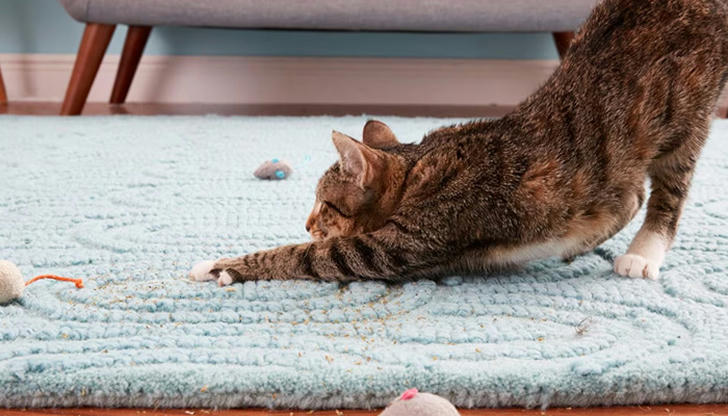
Before you can solve the problem, it's important to understand why cats scratch in the first place. Cats have scent glands in their paws, so scratching isn't just about claw maintenance---it's a way to mark territory. Scratching also helps cats stretch their back, shoulder, and leg muscles, keeping them limber and healthy. Stress, boredom, or a lack of proper outlets can intensify furniture scratching. In other words, your cat isn't being malicious---it's just following instinct. Understanding this will help you approach the problem with patience rather than frustration.
Provide Suitable Scratching Alternatives
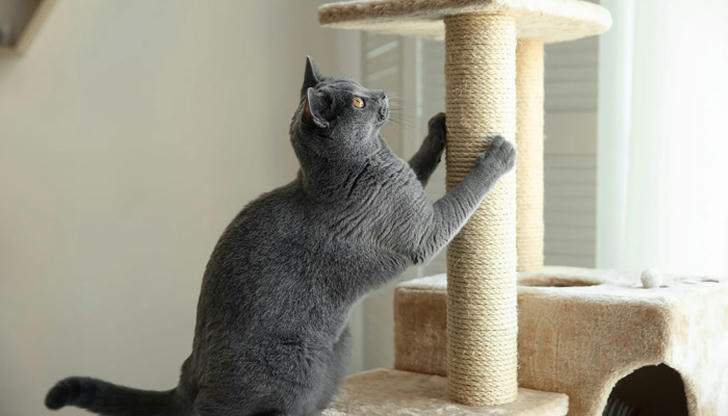
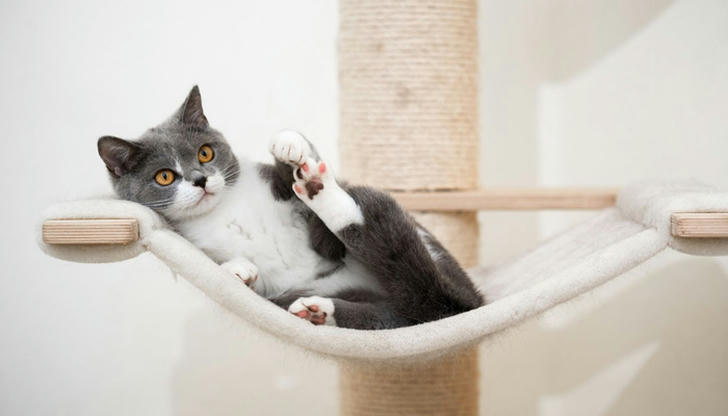
One of the most effective ways to protect your furniture is to provide your cat with alternatives that satisfy their scratching instincts. Cat trees, scratching posts, and scratch pads are all excellent options. When choosing a scratching post, consider the following:
- Material: Cats love surfaces they can sink their claws into. Sisal, cardboard, and carpet are popular choices. Avoid soft or slippery materials that your cat's claws can't grip.
- Height: Cats often stretch their bodies when scratching. Tall posts allow them to fully extend their front legs, which is both satisfying and healthy.
- Stability: A wobbly post can be frustrating. Make sure the post is sturdy enough to support your cat's weight.
If you have multiple cats, consider multiple posts placed in different rooms. You might even find that one type of post works better than another---some cats prefer vertical posts, while others like horizontal scratchers.
Make Your Furniture Less Appealing
While you're encouraging your cat to use the proper outlets, you can also make your furniture less attractive. There are several strategies:
- Double-sided tape: Cats dislike sticky textures. Applying double-sided tape to areas they like to scratch can discourage the behavior.
- Aluminum foil or plastic sheets: These materials are uncomfortable to touch, so cats tend to avoid them.
- Furniture covers: Slipcovers or protective mats can shield your furniture while you train your cat.
It's important not to punish your cat physically or scold them harshly. Negative reinforcement can create fear and stress, which may worsen destructive behaviors. Instead, focus on gentle deterrents and positive reinforcement.
Use Positive Reinforcement

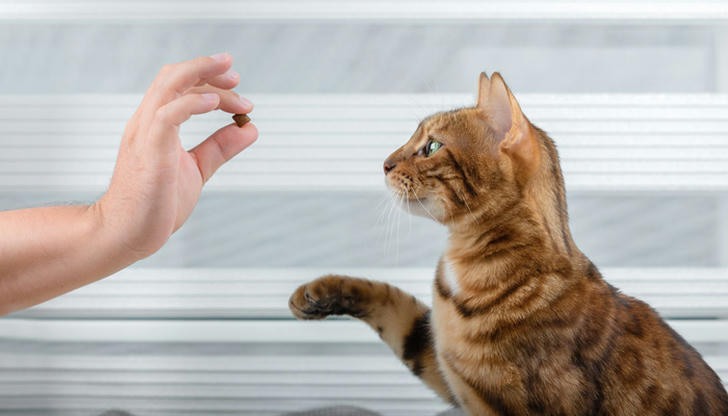
Cats respond better to rewards than punishment. Every time your cat uses a scratching post instead of the furniture, reward them with treats, affection, or playtime. You can even sprinkle a bit of catnip on the scratching post to make it more appealing. Try to reward immediately so your cat connects the behavior with the positive outcome.
Another trick is to place the new scratching post near the area your cat usually scratches. Gradually, you can move it to a more convenient location. Over time, your cat will learn that the post is the preferred place to scratch.
Keep Claws Trimmed
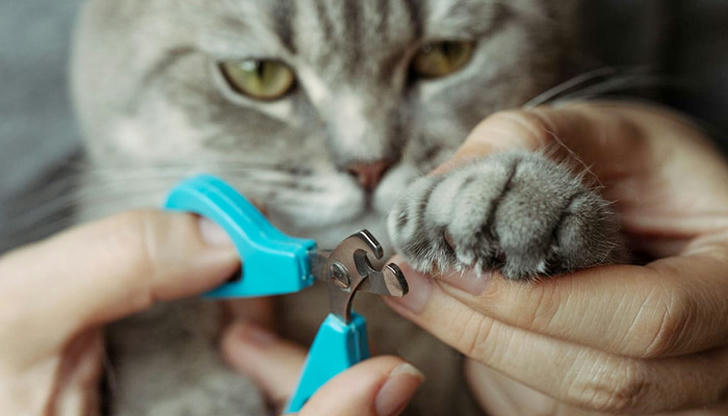
Regular claw trimming can reduce the damage caused by scratching. Use proper cat nail clippers and trim just the sharp tips. Be careful not to cut into the quick, which can be painful and cause bleeding. If your cat resists, try trimming a few claws at a time or seek help from a veterinarian or professional groomer.
Some owners also use soft nail caps, which are small plastic covers glued onto the cat's claws. These can prevent furniture damage while allowing the cat to scratch naturally. Just remember, nail caps need to be replaced regularly as the cat's claws grow.
Provide Mental and Physical Stimulation
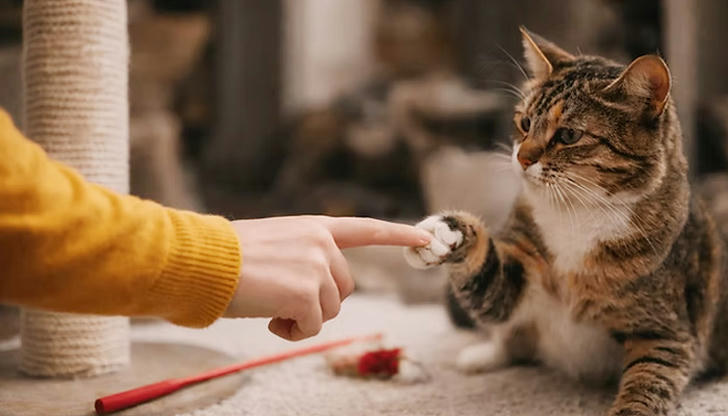
A bored or stressed cat is more likely to scratch destructively. Regular playtime can redirect your cat's energy in a positive way. Toys, interactive play, and even puzzle feeders can help keep your cat occupied and less likely to turn to furniture scratching.
Environmental enrichment is also key. Cats love high perches, hiding spots, and window views. Providing these options can satisfy their natural instincts, reducing the need to mark territory through furniture scratching.
Be Patient and Consistent
Changing a cat's behavior doesn't happen overnight. Consistency is crucial. Ensure all household members follow the same training approach. Praise appropriate scratching, provide alternatives, and maintain deterrents on furniture. Over time, your cat will understand where it's acceptable to scratch and where it's not.
Keep in mind that some cats may take longer than others to adapt. Younger cats and kittens often learn quickly, while older cats may need extra time and encouragement. Be patient and celebrate small successes.
When to Seek Help

If scratching continues to be a major problem despite your best efforts, it may be worth consulting a veterinarian or a certified cat behaviorist. Sometimes scratching is a sign of stress, anxiety, or underlying health issues. A professional can help identify triggers and provide tailored strategies to protect your furniture while keeping your cat happy and healthy.
Final Thoughts
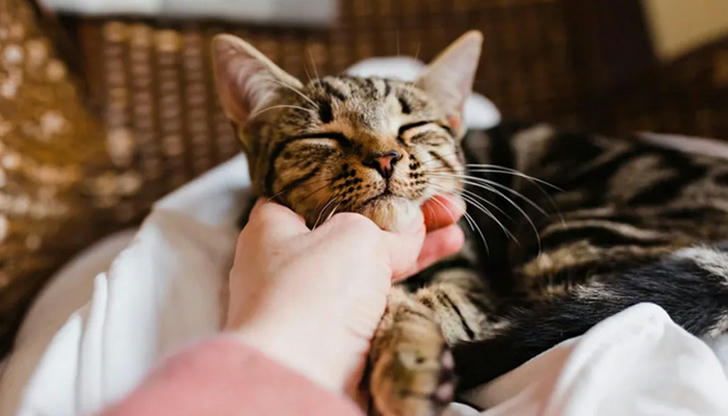
Furniture scratching is a natural and necessary behavior for cats, but it doesn't have to mean the end of your favorite sofa. By understanding why cats scratch, providing suitable alternatives, using gentle deterrents, rewarding positive behavior, and keeping your cat mentally stimulated, you can redirect this instinct in a way that works for both you and your furry friend.
Remember, patience and consistency are your allies. Every cat is different, and finding the right combination of scratching posts, rewards, and deterrents may take time. But with dedication, you can protect your furniture, maintain a happy home, and let your cat express their natural instincts safely.