
Can Cats Be Trained Like Dogs? Vet-Approved Tips & Tricks

If you've ever tried teaching your cat to sit, stay, or fetch, you might have walked away thinking, "Maybe cats just can't be trained." Unlike dogs, cats have a reputation for being stubborn, independent, and, let's be honest, a little... sassy. But here's the truth: cats can be trained. It just requires a slightly different approach than what you'd use with a dog. And yes, it's backed by veterinarians and animal behaviorists alike.
Understanding the Cat Mindset

Cats are not just mini-tigers in your living room---they're creatures with strong instincts, sharp memories, and a tendency to think, "What's in it for me?" Unlike dogs, who often crave approval from their human companions, cats are more motivated by rewards than by praise. This means the key to successful cat training is understanding what actually motivates your cat.
For most cats, this will be food, treats, or play. A laser pointer, feather wand, or even a few bits of tuna can be powerful incentives. Unlike dogs, verbal encouragement alone rarely convinces a cat to perform a behavior.
Start Small: Simple Commands

Before attempting complex tricks, start with the basics. "Come," "sit," or "high five" might seem like dog-centric commands, but cats can learn them too---if you break the process into small steps.
- Choose a reward your cat loves. This could be a small treat, a favorite toy, or even brief playtime.
- Use clicker training or a consistent marker. A clicker or a consistent verbal cue like "yes!" helps your cat connect the behavior with the reward.
- Keep sessions short. Cats have short attention spans. Two to five minutes per session, a few times a day, is enough.
- Be patient. Unlike dogs, cats rarely respond to repeated commands in a single session. Celebrate small wins.
A classic example: teaching a cat to "sit." Hold a treat just above your cat's head and move it slightly back. As the cat's bottom touches the ground, click or say "yes!" immediately and give the reward. Repeat several times a day in short bursts. Over time, your cat will associate the behavior with the reward, and you'll have a cat that actually sits on command.
Using Positive Reinforcement, Not Punishment

A common misconception is that cats need discipline to learn. In reality, punishment is more likely to create stress and confusion than compliance. Scratching a couch, jumping on counters, or ignoring a command are not acts of defiance---they're instinctive or exploratory behaviors.
Instead, use positive reinforcement. Reward desirable behaviors consistently. Redirect unwanted behaviors rather than punishing them. For example, if your cat jumps on the counter, gently move them to the floor and offer a treat or play session for staying on the ground. Over time, the cat learns what behaviors lead to rewards---and which ones don't.
Train Using Daily Routines
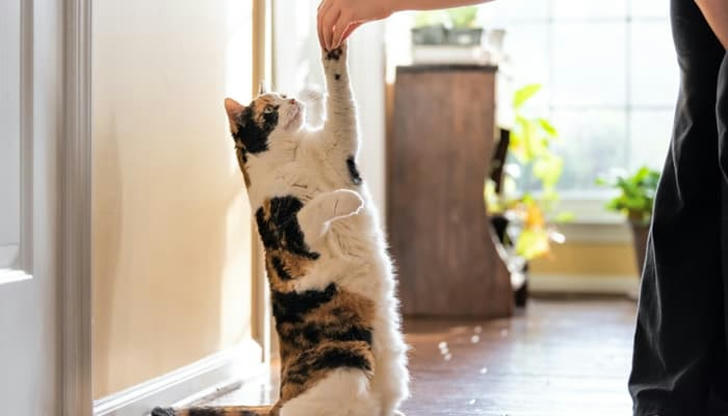
Cats thrive on routine. Integrating training into daily life makes it feel natural rather than forced. Mealtime, playtime, and grooming sessions are excellent opportunities.
- Mealtime tricks: Encourage your cat to "sit" or "wait" before feeding. This reinforces patience and strengthens the bond between you.
- Playtime training: Hide treats in puzzle feeders or under cups, encouraging your cat to problem-solve. This stimulates their mind while reinforcing positive behaviors.
- Grooming: Train your cat to tolerate brushing or nail trims by rewarding calm behavior during each step.
Routine also helps reduce behavioral issues caused by boredom, such as scratching or knocking objects off counters. A mentally stimulated cat is a happier, more trainable cat.
Teaching Advanced Tricks
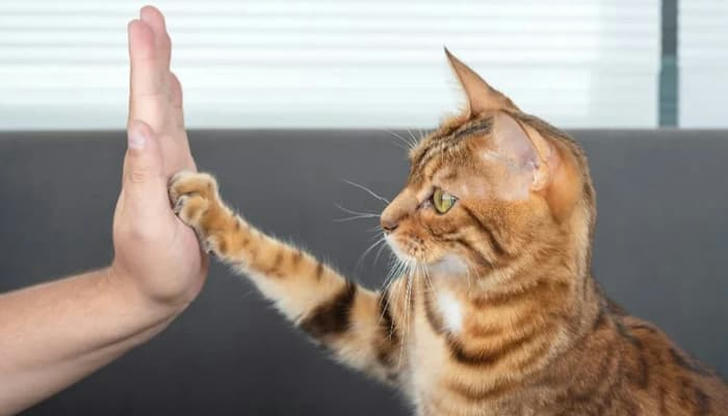
Once your cat masters basic commands, you can introduce more advanced tricks:
- High five: Hold a treat in your hand and wait for your cat to touch your palm. Click and reward immediately.
- Come when called: Call your cat's name and reward them when they approach. Consistency is key---never punish for ignoring you.
- Targeting: Use a small stick or pointer to guide your cat to specific spots. This can be useful for moving them safely during vet visits or around the house.
Remember, progress is slow and incremental. Cats may take weeks or even months to reliably perform a trick. Celebrate tiny victories, and never compare your cat to a dog---or to another cat. Each feline has its own learning style.
Understanding Cat Behavior Problems
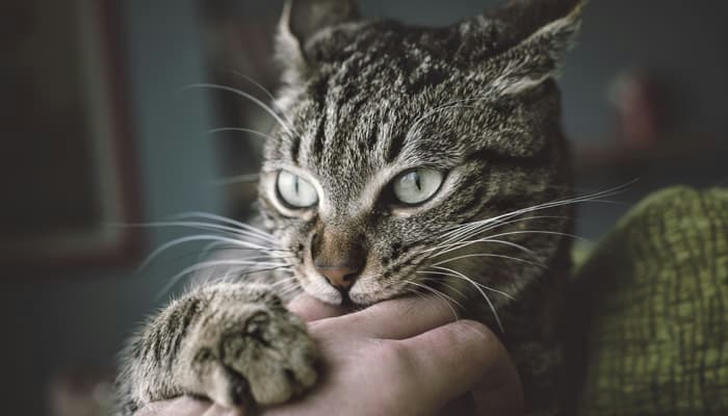
Training isn't just about tricks. Many common behavioral issues can be addressed with patience and proper guidance:
- Scratching furniture: Provide scratching posts, and reward your cat for using them. Cats instinctively scratch to mark territory and sharpen claws, so giving them an appropriate outlet is key.
- Litter box problems: Ensure the litter box is clean, accessible, and in a quiet area. Reward your cat for consistent use.
- Excessive meowing or aggression: Identify triggers. Is your cat hungry, bored, or stressed? Reward calm behavior and redirect energy with play.
Consulting a veterinarian or certified cat behaviorist can help if issues persist. Many behavioral problems are rooted in stress, medical conditions, or unmet environmental needs.
The Bonding Benefits of Training

Training isn't just about control---it's about connection. When you teach your cat new behaviors using rewards and patience, you're communicating in a way that resonates with them. Training sessions strengthen trust, reduce stress, and even provide mental stimulation that keeps older cats sharp.
Unlike dogs, cats may never perform on command for company. But a cat that responds to your cues, comes when called, or sits politely during grooming is not only trained---it's happy, engaged, and confident.
Key Takeaways
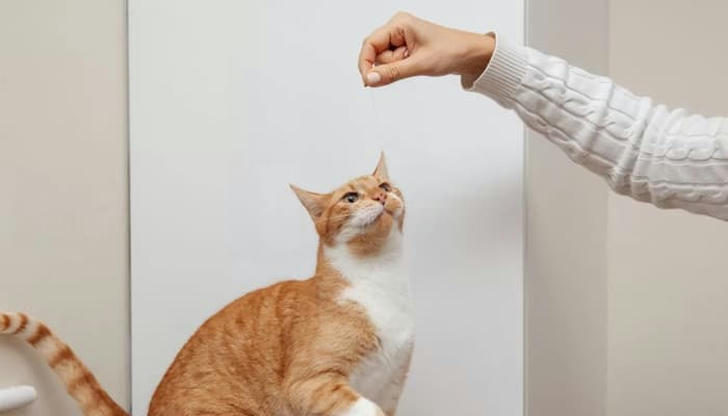
- Cats can be trained; it just requires rewards and patience rather than praise or punishment.
- Keep training sessions short, positive, and frequent.
- Use routine, play, and treats to reinforce good behavior.
- Don't compare your cat to a dog---each cat has its own personality and learning pace.
- Training is as much about strengthening your bond as it is about teaching tricks.
So yes, cats can be trained like dogs---but don't expect them to act exactly like dogs. With the right approach, you'll find that your feline friend is capable of more than you ever imagined. And maybe, just maybe, they'll even sit on command... sometimes.