
7 Things You Do That Your Pet Secretly Hates

Most pet owners genuinely believe they're doing their best---and in many ways, they are. You provide food, comfort, attention, and probably a few extra treats here and there. But here's the uncomfortable truth: some of the things you do out of love might actually stress your pet out.
Before you blame your pet, it's worth asking: could your daily habits be part of the problem?
Let's break down seven surprisingly common things pets secretly hate---and how to fix them.
1. Hugging Them Like a Human

It feels natural to hug your pet tightly, especially when they're soft, warm, and right there beside you. For humans, hugs mean affection and comfort. But for many pets---especially dogs---being held tightly can feel more like being restrained.
Instead of relaxing, your pet might stiffen, look away, or try to wriggle free. These are subtle signs of discomfort that often go unnoticed. Over time, forced affection can make them avoid close contact altogether.
What to do instead:
Let your pet initiate physical closeness. Gentle petting, scratches, or simply sitting nearby often feel much safer and more natural to them.
2. Being Inconsistent With Rules

One day, your pet is allowed on the couch. The next day, they're scolded for doing the exact same thing. Sound familiar? Inconsistency is one of the fastest ways to confuse a pet.
Animals thrive on clear, predictable boundaries. When rules change depending on your mood, they don't understand what's expected---and what looks like "bad behavior" is often just confusion.
What to do instead:
Pick a rule and stick with it. If the couch is off-limits, it should always be off-limits. Consistency builds trust and makes training much easier.
3. Talking Too Much (or Too Loud)

When your pet doesn't respond, it's tempting to repeat commands---or say more, louder. But here's the thing: pets don't process language the way humans do. Long sentences and emotional tones can overwhelm them.
To your pet, a stream of words just becomes noise. Eventually, they may start tuning you out entirely---or become anxious from the intensity of your voice.
What to do instead:
Keep commands short and consistent. Use a calm, steady tone. A clear "sit" works far better than a frustrated speech.
4. Ignoring Their Body Language
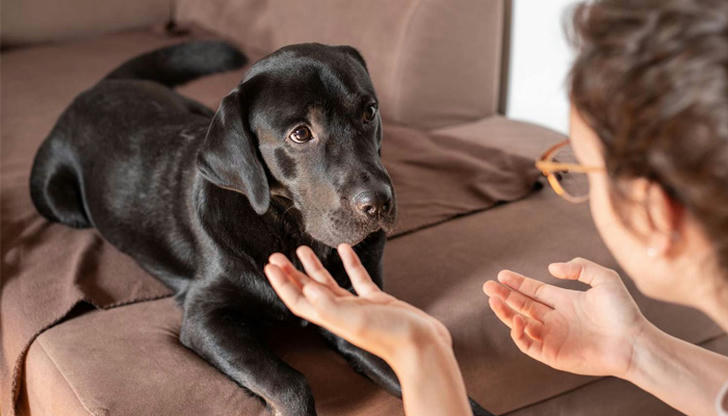
Pets are constantly communicating---you just have to know where to look. A turned head, pinned ears, a stiff posture, or a flicking tail can all signal discomfort.
The problem is, many owners miss these cues. They continue petting, playing, or pushing interaction, thinking everything is fine. From the pet's perspective, their warnings are being ignored.
What happens next?
When subtle signals don't work, pets may escalate---growling, snapping, or withdrawing completely.
What to do instead:
Learn the basics of pet body language. If your pet pulls away, pauses, or seems tense, respect that signal. Giving them space builds trust faster than forcing interaction.
5. Punishing Them After the Fact

You come home and find a mess---chewed furniture, a puddle on the floor, or trash scattered everywhere. Your first instinct might be to scold your pet.
But here's the catch: pets live in the moment. They can't connect your anger to something they did hours ago. Instead, they associate your reaction with your return.
That means they're not learning "don't chew the couch." They're learning "my owner is scary when they come home."
What to do instead:
Correct behavior in real time whenever possible. If you miss the moment, focus on prevention---like better supervision, training, or environment setup.
6. Not Giving Enough Mental Stimulation

Many pets, especially dogs, don't just need physical exercise---they need mental engagement. Without it, boredom sets in quickly.
A bored pet will find ways to entertain themselves---and you might not like their choices. Chewing, digging, excessive barking, or attention-seeking behaviors often stem from a lack of stimulation, not disobedience.
What to do instead:
Introduce simple mental challenges:
- Puzzle toys
- Short training sessions
- Hide-and-seek games
- Rotating toys to keep things "new"
Even a few minutes of focused interaction can make a big difference.
7. Forcing Social Interaction
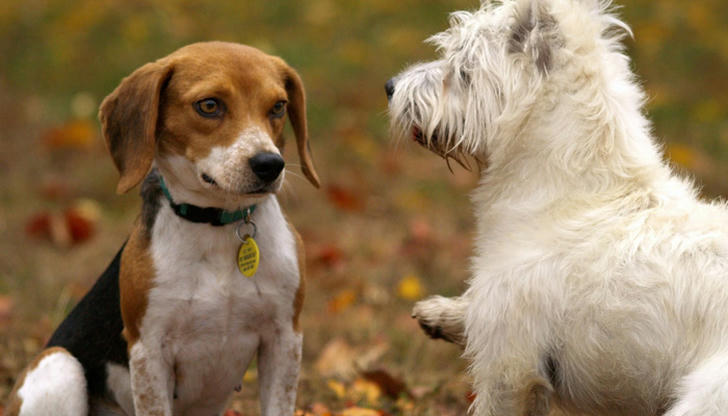
Not every pet is a social butterfly. Some are naturally cautious, shy, or selective about who they trust. Yet many owners expect their pet to happily greet every stranger or play with every other animal.
When pets are pushed into uncomfortable situations, they may freeze, hide, or react defensively. What looks like aggression is often fear or overwhelm.
What to do instead:
Respect your pet's comfort zone. Let them approach new people or animals at their own pace. Gradual, positive exposure builds confidence far more effectively than forcing interaction.
Final Thoughts

Your pet may not be able to speak, but they're constantly communicating through behavior. The difference between a "difficult" pet and a happy, well-adjusted one often comes down to how well you understand those signals.
The good news? You don't need to completely change your routine. Small adjustments---being more consistent, more observant, and a little more patient---can dramatically improve your pet's comfort and behavior.
And once you start noticing these changes, you'll likely realize something surprising: your pet wasn't being difficult at all. They were just trying to be understood.