
Your Pet Looks Healthy - So Why Are Vet Bills Still Going Up?
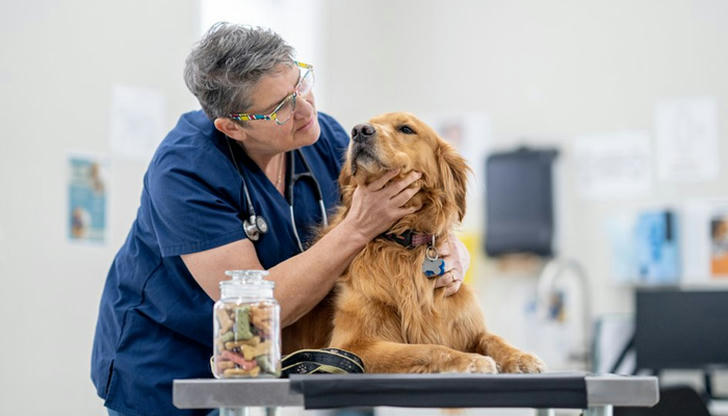
Taking your pet to the vet used to feel like something you did when there was a problem. Now, more owners are spending money before anything seems wrong. Routine exams, dental care, vaccines, screenings, nutrition advice, and wellness services are becoming a bigger part of everyday pet care.
The reason is pretty simple: catching a small issue early can sometimes mean dealing with a much bigger problem later.
A Routine Vet Visit Isn’t Always "Routine" Anymore
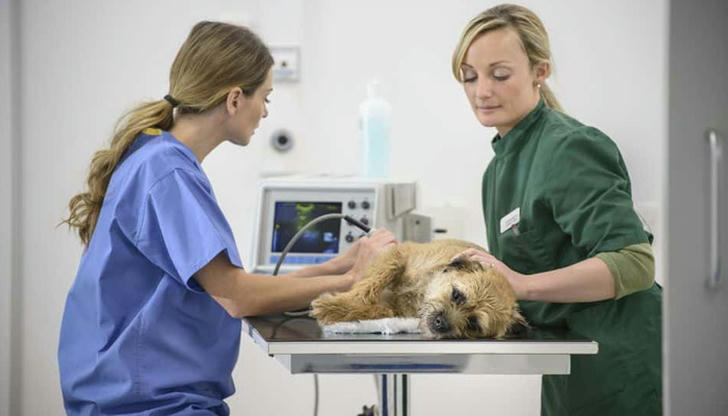
A wellness visit may sound simple, but there can be quite a list behind that appointment. Depending on the pet, a visit may include a physical exam, vaccinations, parasite screening, bloodwork, weight checks, or a discussion about diet and exercise. None of these necessarily means your pet is sick.
That can make preventive care feel a little strange financially. You may leave the clinic with a healthy pet and a bill that is noticeably larger than the one you expected. For owners who want regular checkups, these costs are not a one-time event, either. They can become part of the household pet budget year after year.
Dental Care Is Moving Up the List
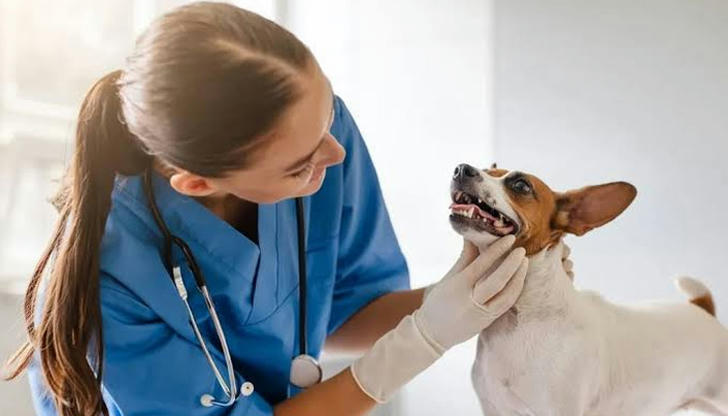
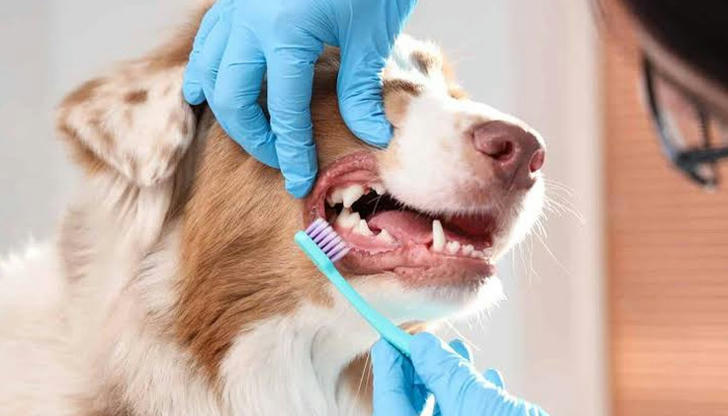
Dental care is another area getting more attention from pet owners. Regular dental checks and professional cleanings can help address problems that are difficult to spot at home. A dog or cat may continue eating normally even when there is an issue developing in the mouth.
The tricky part is knowing where routine care ends and medical treatment begins. A basic cleaning is not the same thing as treating serious dental disease, and extra procedures can make the final bill much higher. That is why dental benefits deserve a closer look when comparing pet-care expenses and insurance options.
Owners Are Paying to Find Problems Earlier

Preventive care is not only about keeping up with vaccines. Some owners are also choosing routine bloodwork, urine testing, weight monitoring, and other screenings, particularly as their pets get older. These checks can give veterinarians more information than a quick look at the animal's appearance.
That does not mean every pet needs every test at every visit. The right approach depends on factors such as age, breed, health history, and a veterinarian's recommendations. Still, the trend is clear: many owners are becoming more comfortable paying for information that could help identify a concern before it becomes impossible to ignore.
The Part Many Owners Get Confused About

Here is where pet care and pet insurance can get confusing. Preventive care generally refers to services intended to keep a pet healthy or monitor its health, such as routine exams, vaccinations, and certain screenings. Treatment for an accident or diagnosed illness is a different category.
That distinction matters because standard accident-and-illness insurance does not necessarily work like a prepaid wellness plan. Some policies may offer optional wellness benefits, while others focus primarily on unexpected medical expenses. Seeing the word "wellness" in a policy name does not automatically tell you what is included.
Pet Insurance Doesn't Always Cover the Same Things
Two pet insurance plans can appear similar until you start reading the details. One may offer accident and illness coverage with an optional wellness package, while another may structure routine-care benefits differently. Deductibles, reimbursement rates, annual limits, waiting periods, and exclusions can also change the value of a policy.
This is especially important when preventive care uncovers a medical problem. A routine exam might lead to additional testing, a diagnosis, medication, or treatment. Those expenses may fall under different parts of a policy - or may have different eligibility rules. The details matter much more than a simple "covered" or "not covered" label.
Before You Compare Pet Insurance, Check These 5 Things

First, find out exactly what the plan considers preventive care. Then check whether wellness benefits are included automatically or require an additional cost. Look closely at annual benefit limits, because a plan can provide a wellness allowance without covering every dollar you spend on routine care.
Next, review exclusions and waiting periods, including how pre-existing conditions are handled. Finally, ask the most useful question: what happens if routine care reveals a condition that requires treatment? Understanding that transition from a wellness visit to medical care can tell you much more about a policy than its headline coverage.
Is Preventive Care Worth Paying For?
There is no single answer for every pet owner. Someone who prefers regular screenings, dental care, and predictable wellness expenses may find preventive-care benefits useful. Another owner may care more about protection from the large, unexpected costs that can come with emergency treatment, surgery, serious illness, or advanced diagnostics.
The important thing is to compare the coverage with the way you actually care for your pet. Look at routine benefits, accident and illness coverage, deductibles, reimbursement options, limits, and exclusions together.