
Your Pet Is the Last Thing You're Willing to Downgrade

People say they're cutting back. Fewer subscriptions. Fewer dinners out. Cheaper clothes. Longer phone upgrade cycles. Everyone seems to be "watching their spending."
And yet---somewhere in the middle of all this belt-tightening---there's one category that rarely makes the cut.
Pets.
Across income levels and lifestyles, pet owners are quietly making the same decision: almost everything can be downgraded except the life their pet lives. This isn't loud luxury or indulgence. It's something subtler, more emotional, and surprisingly consistent.
Welcome to the emotional economy of pet care.
Cutting Back Everywhere Else---Except Here

Talk to pet owners long enough and a familiar pattern emerges. They'll mention canceling streaming services, switching to generic groceries, skipping vacations, or putting off home upgrades. But when the conversation turns to their pet, the language changes.
That premium food? Still in the cart.
That vet-recommended supplement? Non-negotiable.
That slightly ridiculous orthopedic bed? Already ordered.
What's interesting isn't the spending itself---it's the logic. Pet expenses aren't framed as lifestyle upgrades. They're framed as responsibility, care, and love. In a world where everything else feels optional, pet well-being feels essential.
Pets as Emotional Anchors in Uncertain Times
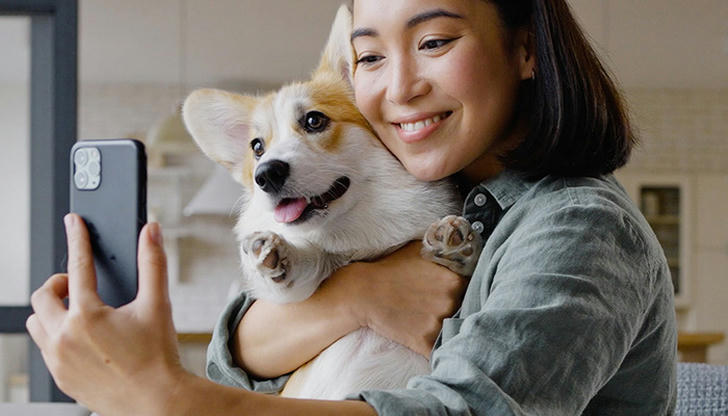
Part of this trend comes from how pets function emotionally in modern life. For many people, pets are no longer just companions. They are stabilizers.
They create routine in unstable schedules.
They offer comfort without commentary.
They respond to stress without judgment.
When finances feel unpredictable, maintaining a pet's quality of life becomes a way of preserving emotional control. You may not be able to fix the economy---but you can make sure your dog eats well, sleeps comfortably, and feels safe.
In that sense, spending on pets often feels less like consumption and more like emotional insurance.
The Rise of "Selective Spending" Pet Owners

This doesn't mean pet owners are spending wildly or without thought. In fact, many are becoming more strategic.
Instead of buying many toys, they buy fewer, better ones.
Instead of trendy accessories, they choose functional gear.
Instead of impulse purchases, they invest in things that last.
The downgrade isn't about pets---it's about everything around them. Owners are happy to reuse old furniture, wear last season's clothes, and delay personal upgrades if it means their pet's care remains untouched.
This kind of selective spending signals a deeper shift: pets are no longer part of discretionary lifestyle spending. They're part of the household's core budget.
Why Pet Spending Feels "Different" Than Other Expenses

There's a psychological reason pet-related costs are so protected. Spending on pets doesn't trigger the same guilt as spending on yourself.
Buying yourself something expensive can feel indulgent.
Buying your pet something expensive feels justified.
Pet care sits at the intersection of caregiving and identity. Owners don't see themselves as consumers in these moments---they see themselves as guardians. And guardians don't downgrade care when times get tough.
This explains why even cost-conscious owners will hesitate to switch to cheaper food or delay medical checkups, while having no problem choosing a cheaper phone plan or smaller apartment.
Subscription Fatigue, Except for Pets

Another quiet trend reinforcing this behavior is subscription fatigue. People are tired of paying monthly for things they barely use. Music, video, fitness apps---many are on the chopping block.
Pet subscriptions, however, tend to survive the purge.
Food deliveries, litter services, flea prevention, and wellness plans are often seen as relief, not burden. They remove decisions, save time, and reduce the risk of forgetting something important. In an overloaded world, pet subscriptions simplify rather than complicate.
For many owners, these subscriptions represent peace of mind---something increasingly rare and therefore highly valued.
The Moral Weight of Downgrading a Pet's Life

There's also an unspoken moral line many owners won't cross: the idea that a pet might "feel" the downgrade.
Humans understand sacrifice. Pets don't.
This creates a powerful emotional boundary. Owners might accept personal discomfort, but they resist the idea of their pet experiencing loss, stress, or reduced care. Even if that belief is partly emotional projection, it strongly influences behavior.
In practice, this means pet budgets stay surprisingly stable even when household budgets shrink.
What This Trend Says About Modern Pet Culture

This isn't about spoiling pets or turning them into substitutes for human relationships. It reflects a broader cultural shift in how responsibility is defined.
Modern pet ownership is less about status and more about stewardship. Less about showing off and more about maintaining quality of life---consistently, quietly, and sustainably.
Pets aren't the place where people experiment with minimalism or austerity. They're where people draw the line.
The Bottom Line

In a world full of trade-offs, pets remain the one area where many people refuse to compromise. Not because it's fashionable. Not because it's trendy. But because it feels deeply personal and ethically non-negotiable.
You can downgrade your phone.
You can downgrade your wardrobe.
You can downgrade your weekend plans.
But when it comes to your pet?
That's the last thing you're willing to downgrade.