
How the Pet-Friendly pets_trends Is Changing Everyday Life
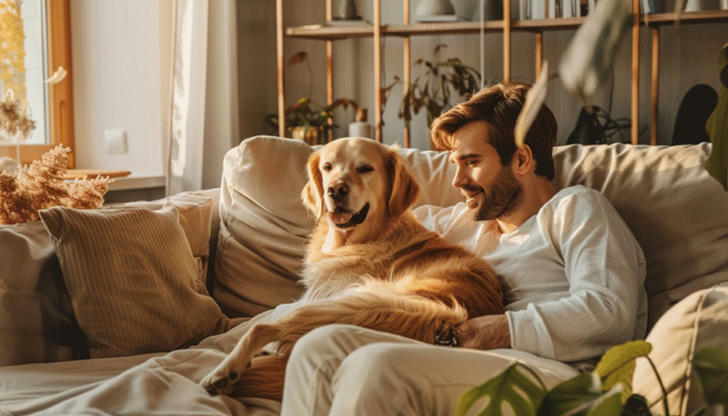
Not long ago, owning a pet often meant adjusting your daily plans around them---finding someone to watch the dog before a trip or rushing home after work to feed the cat. Today, that dynamic is gradually shifting. More apartments, restaurants, workplaces, and public spaces are adapting to accommodate pets, reflecting a growing belief that animals are part of the family. This "pet-friendly pets_trends" is quietly reshaping how people choose homes, travel, socialize, and design their living spaces.
1. Apartment Buildings Are Competing to Attract Pet Owners
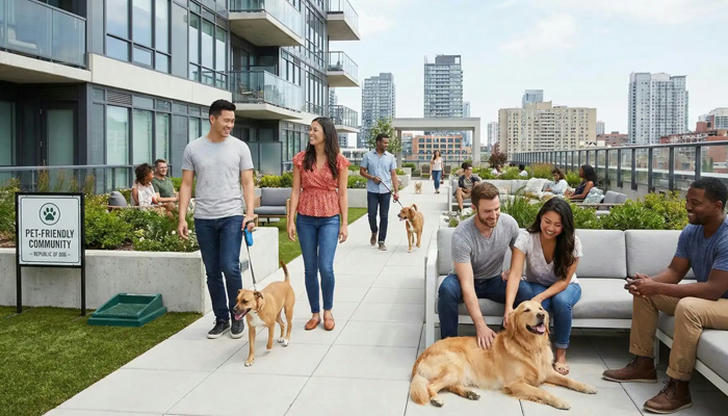
For many renters today, pet policies are one of the first things they check when searching for a new place to live. An apartment may have the perfect location and price, but if pets are not allowed, it quickly drops off the list.
To attract pet owners, many apartment complexes are adding pet-focused amenities. Dog parks, pet washing stations, and walking paths are becoming common features in residential communities. These additions make daily routines easier for pet owners and provide safe spaces where pets can exercise and socialize.
Some buildings even organize small community events for residents with pets, such as dog meetups or weekend gatherings. These activities help neighbors connect with each other while their animals play together, turning a simple apartment complex into a more social and welcoming environment.

2. Restaurants and Cafés Are Welcoming Pets
In many cities, it is becoming increasingly normal to see dogs sitting beside their owners at outdoor cafés or restaurant patios. What used to be considered unusual is now part of everyday life in many neighborhoods.
Businesses are recognizing that pet owners enjoy spending time with their animals whenever possible. By allowing pets in outdoor dining areas, restaurants create a relaxed atmosphere that attracts loyal customers. Some places even provide water bowls or small dog treats to make visiting pets feel welcome.
This approach benefits both sides. Pet owners can enjoy social outings without worrying about leaving their animals at home, while businesses gain customers who appreciate a more inclusive and comfortable environment.

3. Travel Is Becoming Easier for Pet Owners
Travel used to be one of the biggest challenges for people with pets. Boarding facilities, pet sitters, or asking friends for help were often the only options when planning a trip.
Today, the travel industry is increasingly adapting to pet owners. Many hotels now offer pet-friendly rooms and may provide simple items such as pet beds or food bowls. Vacation rental properties frequently advertise whether pets are allowed, making it easier for travelers to plan ahead.
Because of these changes, more people are choosing trips where their pets can come along. Road trips, outdoor vacations, and cabin getaways have become popular options for families who want to explore new places without leaving their animals behind.
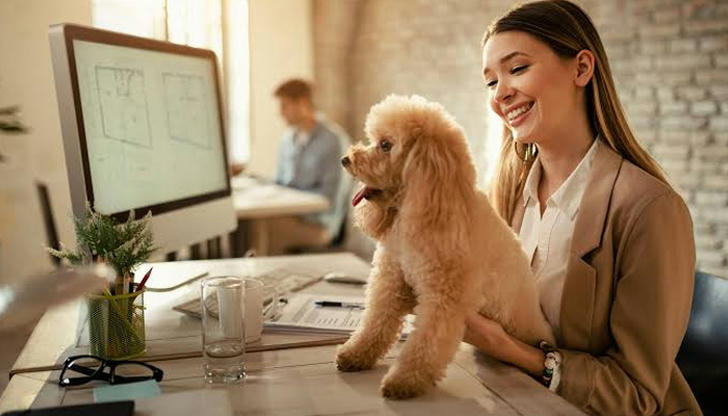
4. Workplaces Are Experimenting With Pet-Friendly Policies
Some companies have begun allowing employees to bring dogs to the office, believing that pets can help create a more relaxed and positive work environment. While this approach is not suitable for every workplace, it has gained attention in certain industries.
Having pets in the office can help reduce stress during busy workdays and encourage employees to take short breaks. These small pauses can improve focus and productivity while also giving workers time to care for their animals.
Even companies that do not allow pets inside the workplace have adopted policies that indirectly support pet owners. Flexible schedules and remote work options make it easier for employees to spend more time with their pets during the day.
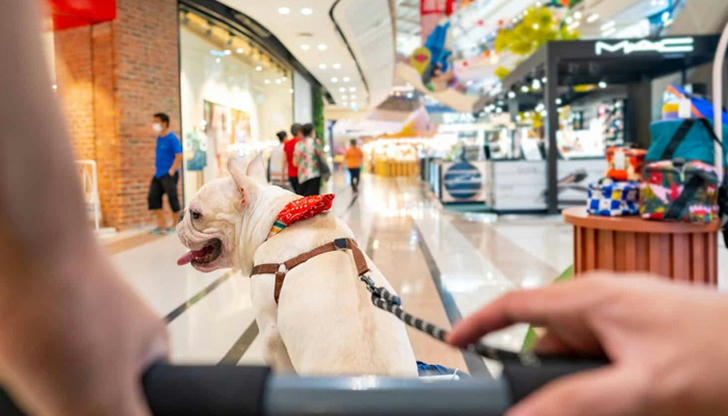
5. Shopping Spaces Are Opening Their Doors to Pets
In many communities, shopping with pets is becoming more common. Outdoor shopping districts, neighborhood markets, and small retail stores often welcome well-behaved dogs.
For pet owners, this makes everyday errands more convenient. Instead of rushing home to check on a pet, they can include their animals in small outings throughout the day.
Retailers have also discovered that pets can create a friendly and inviting atmosphere. Some shopping areas organize pet-themed events, such as adoption drives or charity fundraisers for animal shelters. These events not only attract visitors but also strengthen the sense of community among local residents.
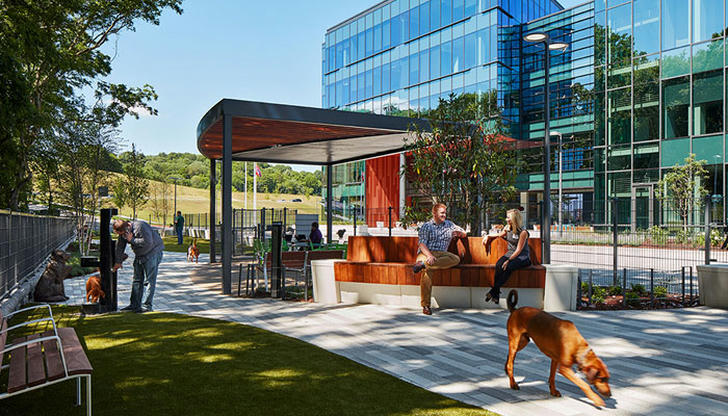
6. Public Spaces Are Being Designed With Pets in Mind
Cities and local communities are increasingly recognizing how important pets are in many households. As a result, urban planners are adding more pet-friendly features to public spaces.
Dog parks are now common in many neighborhoods, giving pets safe places to run and play. Walking trails and parks often include waste stations and water fountains to make outings more convenient for pet owners.
These improvements benefit everyone. Clear spaces designed for pets help reduce conflicts in shared areas while encouraging responsible pet ownership. They also make it easier for residents to spend more time outdoors with their animals.
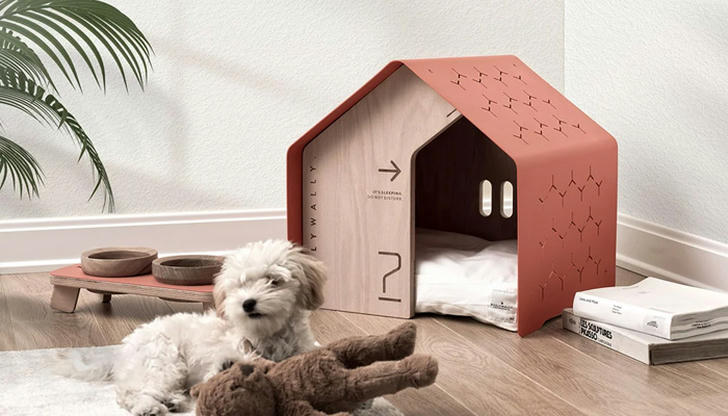
7. Homes Are Being Designed Around Pet Life
The pet-friendly pets_trends is also influencing how people design their homes. Many homeowners now consider their pets when choosing materials or planning renovations.
Durable flooring, washable fabrics, and built-in feeding stations are becoming popular choices in homes with animals. Some homeowners even create small sleeping areas or play spaces specifically for their pets.
These features show how pets are no longer treated as temporary guests in the home. Instead, they are seen as permanent members of the household whose comfort and safety matter just as much as anyone else's.
Conclusion
The rise of the pet-friendly pets_trends shows how deeply pets have become part of modern life. From apartments and restaurants to workplaces and public parks, many parts of everyday life are gradually adapting to accommodate animals. As more people view their pets as family members, this trend will likely continue shaping how communities, businesses, and homes are designed in the years ahead.