
Your Cat Won't Cry for Help---Here's How to Know When It's Serious

Cats are masters at hiding pain. They don't whine, limp dramatically, or beg for attention the way dogs do. In the wild, showing weakness made animals targets---so modern house cats still mask illness until they absolutely can't.
That's why many cat owners face the same terrifying question: Is this something I can watch at home, or do I need a vet---now? Overreacting causes stress and expensive emergency visits. Underreacting can cost a cat its life. The key isn't memorizing symptoms---it's learning how to judge them.
This guide will help you tell the difference.
The Rule That Matters Most: Sudden, Severe, Persistent, or Combined
A single symptom doesn't always mean danger. But a symptom becomes serious when it is:
- Sudden -- appears out of nowhere
- Severe -- clearly abnormal or extreme
- Persistent -- lasts more than 24 hours
- Combined -- happens alongside other changes
If you notice two or more of these at once, it's time to stop waiting.
Scary-Looking Symptoms That Are Often Not Emergencies

Some cat behaviors look alarming but are usually harmless when they happen occasionally and resolve quickly.
Hairballs
Coughing up a hairball once in a while is normal, especially for long-haired cats. Concern starts when gagging is frequent, unproductive, or paired with lethargy.
Skipping one meal
Cats sometimes skip a meal due to stress, weather changes, or minor stomach upset. If your cat eats again within 24 hours and acts normally, monitoring is usually enough.
Extra sleeping
Cats sleep a lot---up to 16 hours a day. A slightly lazier day isn't a red flag unless it continues for days or comes with hiding, appetite loss, or weakness.
Occasional sneezing
A few sneezes without nasal discharge or breathing difficulty often point to dust or mild irritation, not illness.
Temporary limping
A short-lived limp that improves within a day may be from a minor jump or awkward landing. Worsening or persistent limping is a different story.
➡️ The key question: Is your cat otherwise acting normal---eating, drinking, grooming, and responding to you?
Quiet Symptoms That Can Become Life-Threatening Fast
Some of the most dangerous problems look subtle at first. These are the ones owners most often regret ignoring.
Not urinating or straining in the litter box
This is a medical emergency, especially in male cats. A blocked urinary tract can become fatal within 24--48 hours.
Open-mouth breathing or fast breathing at rest
Cats do not pant like dogs. Breathing with the mouth open, heaving sides, or rapid breaths while resting demands immediate veterinary care.
Sudden hiding and isolation
Cats hide when they are in pain. If a normally social cat disappears and avoids interaction, pay attention---especially if appetite drops too.
Repeated vomiting
One vomit may not be serious. Multiple episodes in a short period, or vomiting with lethargy or dehydration, is not normal.
Pale gums or cold ears and paws
These can signal shock, anemia, or circulatory problems. Do not "wait and see" with these signs.
➡️ Remember: Cats don't exaggerate pain. By the time symptoms are obvious, the problem is often advanced.
Wait, Call, or Go Now? A Simple Decision Guide
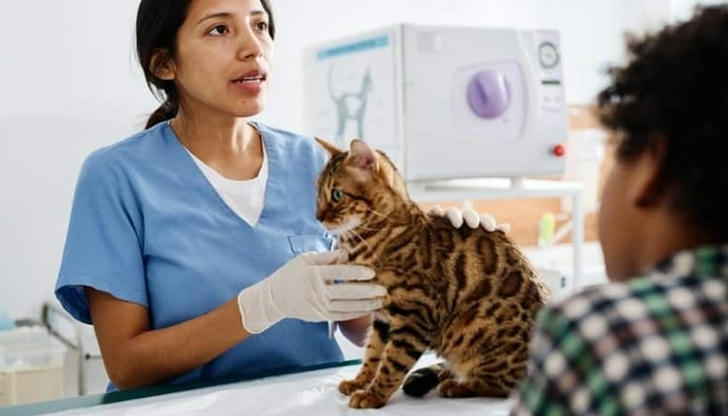
You can usually wait and monitor if:
- The symptom is mild
- Your cat is still eating and drinking
- Behavior is mostly normal
- Improvement happens within 24 hours
Call your vet the same day if:
- Appetite is reduced for more than a day
- Vomiting or diarrhea repeats
- Lethargy lasts beyond one day
- A limp or behavior change doesn't improve
Go to emergency care immediately if:
- Your cat cannot urinate
- Breathing is labored or abnormal
- Collapse, seizures, or unresponsiveness occur
- Severe pain or sudden paralysis appears
When in doubt, trust patterns---not isolated moments.
Why Cats Fool Even Attentive Owners
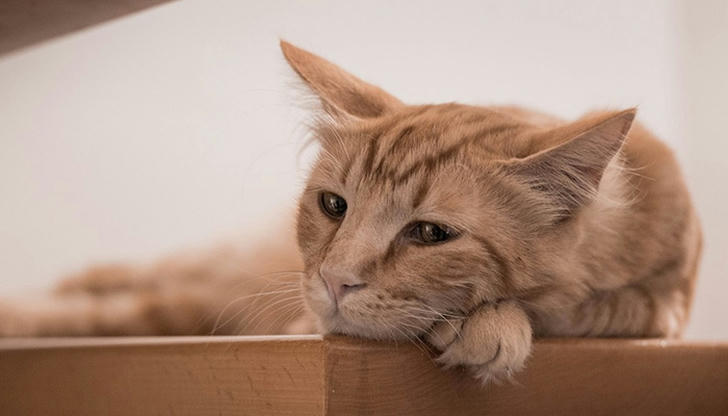
Cats evolved to hide weakness. They don't scream when something hurts. Instead, they:
- Move less
- Groom less
- Interact less
- Eat less
These changes are easy to dismiss as "just a mood." But in cats, behavioral shifts matter more than dramatic symptoms.
That's also why owners often blame themselves later. In reality, cats are simply very good at masking trouble.
How to Protect Your Cat Without Panicking

You don't need medical training. You need baseline awareness.
- Know your cat's normal eating, sleeping, and litter habits
- Notice changes in routine, not just symptoms
- Keep emergency vet numbers accessible
- When something feels "off," don't ignore that instinct
Acting early doesn't mean acting recklessly---it means acting wisely.
Final Thought

Your cat won't cry, limp, or beg for help. Its warning signs are quiet and easy to miss---but once you know what to watch for, you can respond with confidence instead of fear.
Knowing when to stay calm and when to act fast can make all the difference---sometimes between a quick recovery and a devastating loss.
Your attention is your cat's strongest defense.