
You're Probably Brushing Your Cat the Wrong Way---Here's Why
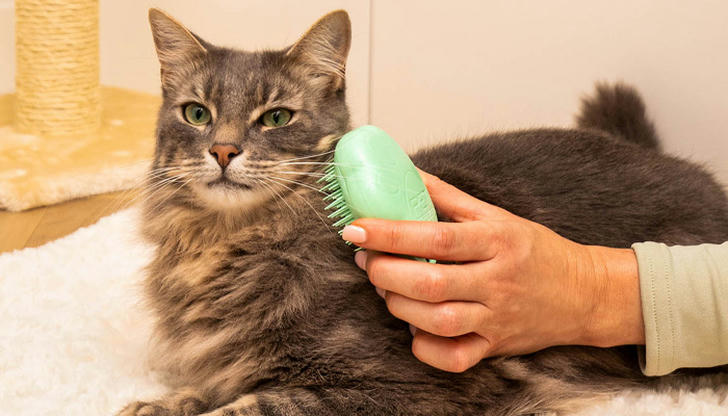
Brushing your cat seems simple enough. Pick up a brush, run it through the fur for a few minutes, and you're done. But if your cat squirms, walks away, or leaves you with a brush full of fur and a floor that's still covered in hair, something may not be working as well as you think.
The good news is that brushing isn't just about removing loose hair. Done correctly, it helps prevent mats, reduces hairballs, keeps the coat healthy, and even gives you a chance to check your cat's skin for anything unusual. A few small changes in your routine can make grooming easier for both you and your feline friend.
Start Before You Pick Up the Brush
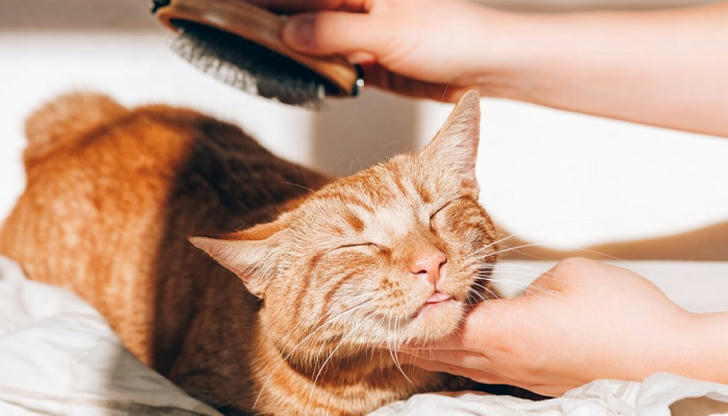
A successful grooming session begins long before the brush touches your cat's coat. Timing matters more than many owners realize. Trying to brush a cat that's full of energy, watching birds through the window, or in the middle of playtime usually ends in frustration.
Instead, wait until your cat is naturally relaxed. After a meal, following a nap, or during a quiet evening cuddle can be ideal times. Before you begin, run your hands gently over the coat to check for tangles, sensitive areas, or anything that seems unusual. If you notice bumps, sore spots, or skin irritation, avoid brushing that area until you've figured out what's causing the problem.
You're Probably Using the Wrong Brush
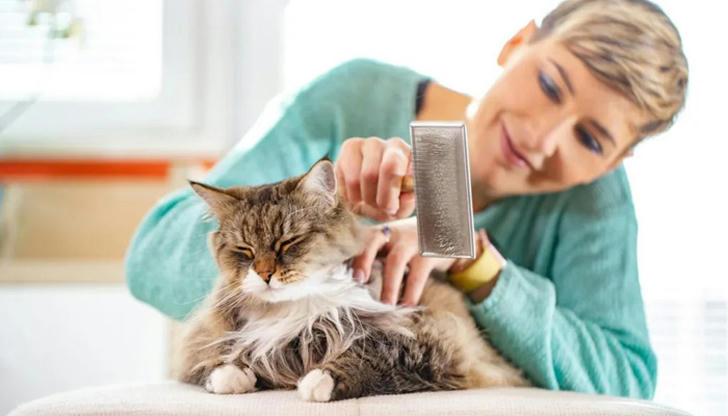
Not every brush works for every cat. One of the biggest grooming mistakes is assuming there's a universal tool for every coat type.
Short-haired cats often do well with a soft bristle brush, rubber grooming glove, or gentle slicker brush that removes loose hair without irritating the skin. Long-haired breeds usually need tools that reach deeper into the coat, such as a pin brush or an undercoat comb, to prevent tangles from forming close to the skin.
If your brush seems to snag constantly or your cat reacts every time it touches the coat, the tool may be the problem rather than your technique. Choosing the right brush makes grooming more comfortable and much more effective.
Brushing Too Fast Can Make Cats Hate Grooming
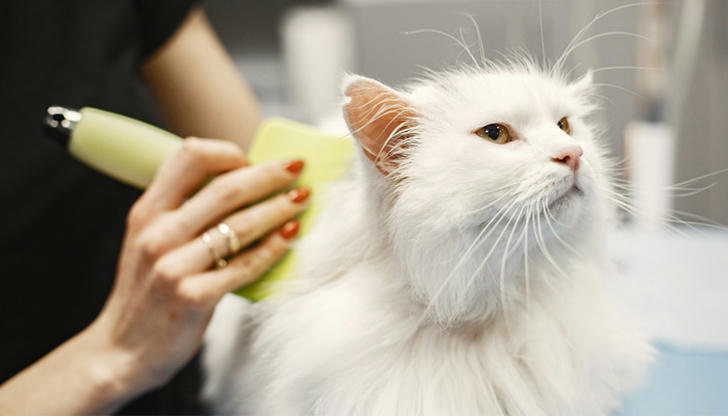
Many owners believe that finishing quickly is kinder to their cat. In reality, rushing often creates a negative experience.
Fast, repetitive strokes can pull on the fur, especially if there are small knots hiding underneath. Cats remember uncomfortable experiences, and after a few unpleasant sessions, they may start running away as soon as they see the brush.
Keep each session short---around five to ten minutes is plenty for most cats. Use slow, gentle strokes and allow your cat to take breaks if needed. Watch their body language closely. A twitching tail, flattened ears, tense muscles, or repeated attempts to leave are all signs that it's time to pause rather than push through.
Don't Start With the Most Sensitive Areas
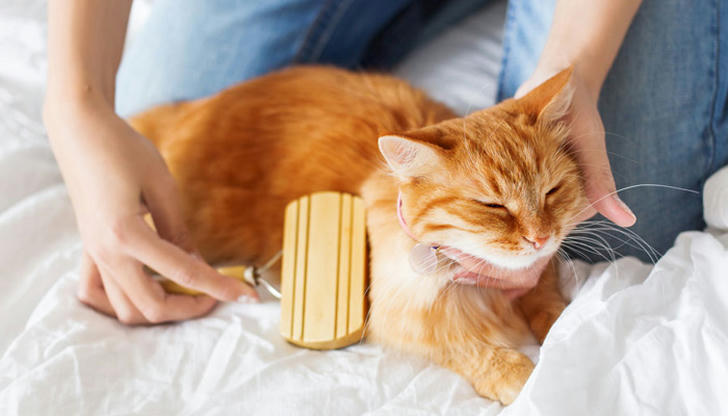
Imagine someone trying to brush your hair by immediately tugging at the biggest knot. That's how many cats feel when owners begin with the belly, legs, or tail.
Start with areas where most cats enjoy being touched, such as the head, cheeks, neck, and upper back. These familiar spots help your cat relax and build confidence during the grooming session. Once they're calm, gradually move to the sides, chest, and finally the more sensitive areas if necessary.
Taking this gradual approach can turn brushing from something your cat tolerates into something they actually expect each day.
Mats Should Never Be Pulled Apart
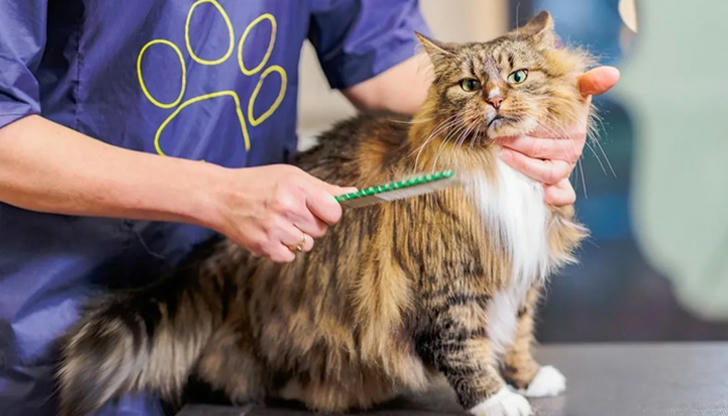
Finding a mat in your cat's fur can be tempting to fix immediately by pulling or tugging at it. Unfortunately, this usually hurts more than it helps.
A mat pulls tightly on the skin, and yanking it apart can be painful. Instead, hold the fur close to the skin with one hand while gently working through the outer edges of the tangle with an appropriate comb. Small mats are often manageable if caught early.
Large, tight mats are another story. Trying to cut them out with household scissors can easily lead to accidental injuries because a cat's skin is much thinner than it appears. If a mat is severe or sits close to the skin, it's safer to seek help from a professional groomer or your veterinarian.
Brushing Alone Won't Stop Heavy Shedding
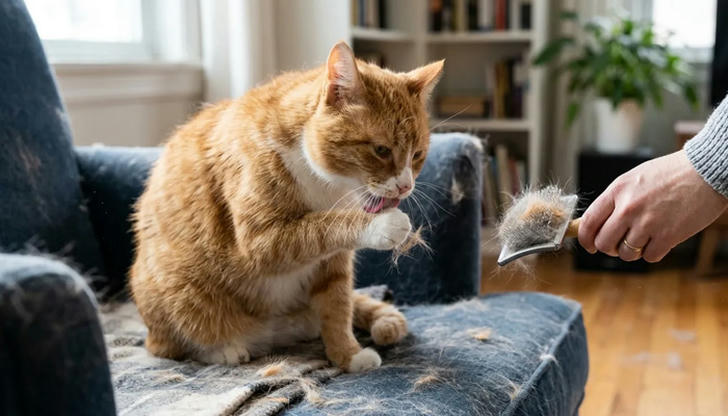
If you're brushing your cat every day but still finding fur on the furniture, don't assume you're doing something wrong. Shedding is influenced by much more than grooming.
Seasonal coat changes, indoor heating, diet, hydration, age, and overall health all affect how much hair a cat loses. Brushing removes loose fur before it lands around your home, but it won't completely stop natural shedding.
Pay attention to changes in your cat's coat while you groom. A healthy coat usually feels smooth and looks shiny. Excessive dandruff, bald patches, redness, or sudden heavy hair loss could point to an underlying problem that's worth discussing with your veterinarian.
Finish the Session on a Positive Note
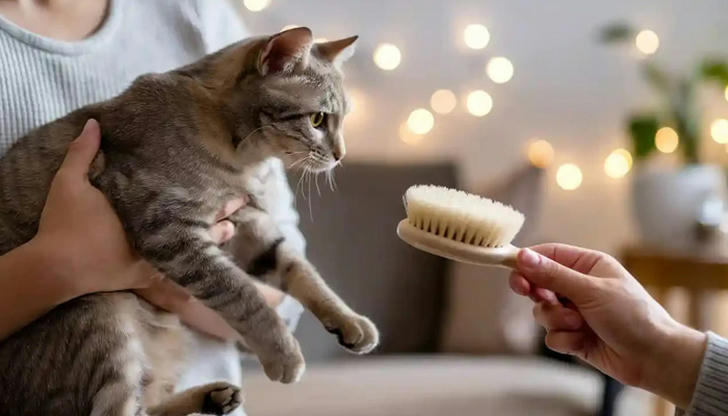
The last minute of grooming is just as important as the first. If brushing always ends with your cat escaping or becoming upset, they'll remember the experience the next time you reach for the brush.
Instead, stop while your cat is still relatively relaxed. Offer a favorite treat, some gentle praise, or a few minutes of play. This simple reward helps create a positive association with grooming and encourages better cooperation in future sessions.
Consistency also matters. A few enjoyable grooming sessions each week are usually far more effective than one long, stressful session every couple of weeks.
A Simple Routine Makes All the Difference
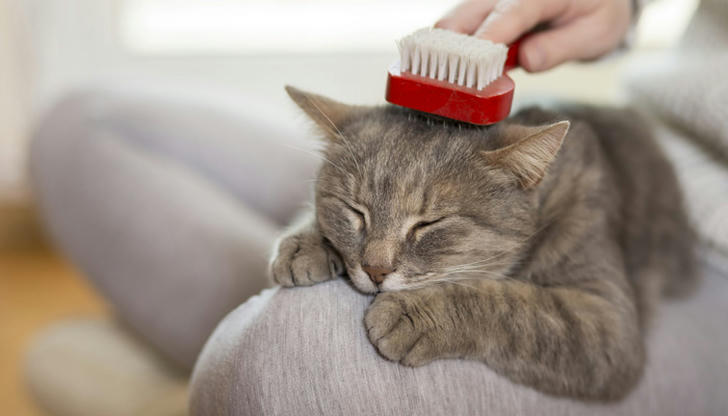
Brushing your cat isn't about perfection, expensive tools, or spending half an hour every day. It's about using the right brush, choosing the right moment, and working with your cat instead of against them.
A calm approach, gentle strokes, and a little patience can reduce loose hair, prevent painful mats, and make grooming something your cat is more willing to accept. Over time, those few minutes together become more than just coat care---they become another way to strengthen the bond between you and your pet.
If your grooming sessions haven't been going as smoothly as you'd hoped, don't worry. A few small adjustments may be all it takes to transform brushing from a daily struggle into a routine that both you and your cat can feel good about.