
7 Warning Signs Your Cat May Have a Serious Dental Problem
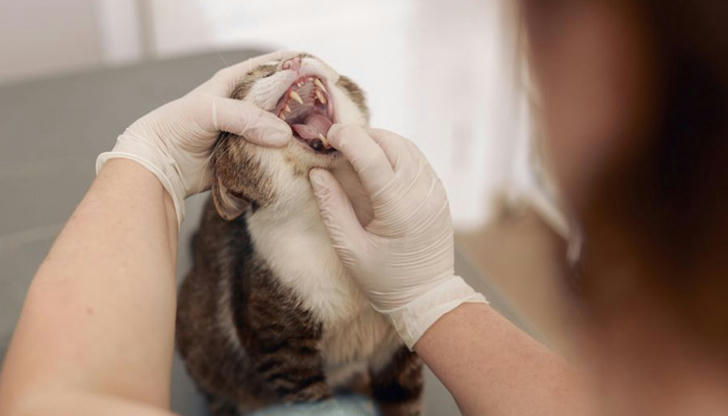
Cat dental health is one of the most overlooked aspects of pet care, yet it plays a critical role in your cat's overall well-being. Many owners assume that bad breath or slight changes in eating habits are normal, especially as cats age. In reality, these subtle changes can be early warning signs of serious dental disease that may lead to pain, infection, and even tooth loss.
Below are seven warning signs every cat owner should watch closely.
1. Persistent Bad Breath (Halitosis)
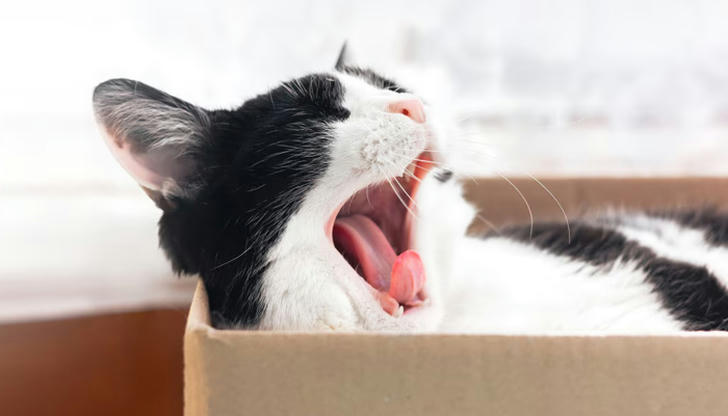
A mild odor after eating can be normal, but persistent bad breath is not. If your cat's breath smells unusually strong, sour, or foul, it often indicates bacterial buildup in the mouth.
This can be caused by plaque, tartar, gingivitis, or even infections deep under the gums. Many owners dismiss bad breath as "just cat breath," but in reality, it is one of the earliest and most common signs of dental disease.
If the odor is noticeable from a distance or keeps returning quickly after meals, it's time for a dental check.
2. Difficulty Eating or Chewing on One Side
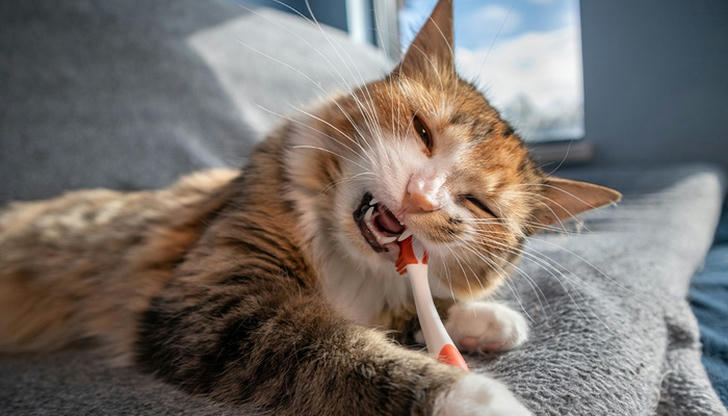
Cats with dental pain often adapt their eating habits without showing obvious distress. One subtle but important sign is chewing only on one side of the mouth or dropping food while eating.
You might also notice your cat:
Taking longer to finish meals
Avoiding dry kibble but still eating soft food
Stopping mid-meal unexpectedly
These changes usually indicate discomfort in the teeth or gums, especially from conditions like periodontal disease or tooth resorption.
3. Excessive Drooling
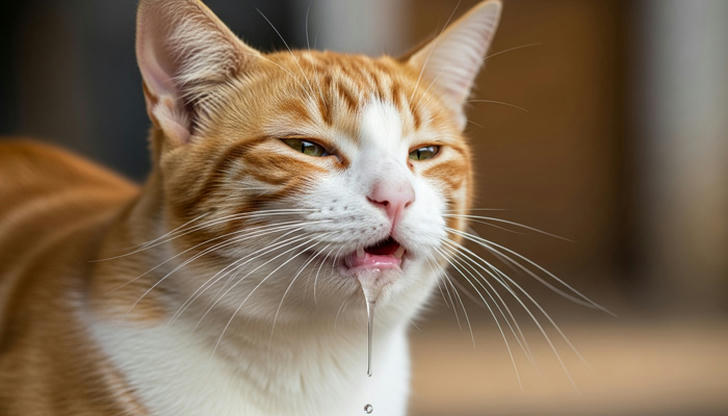
While some cats naturally drool when relaxed, excessive or unusual drooling is a red flag. If you notice wet fur around the mouth or constant saliva buildup, it may indicate oral pain or infection.
Drooling often happens when a cat finds it painful to swallow normally or when inflammation is present in the gums. In more severe cases, you may also see blood-tinged saliva or a strong odor accompanying the drooling.
4. Pawing at the Mouth or Face
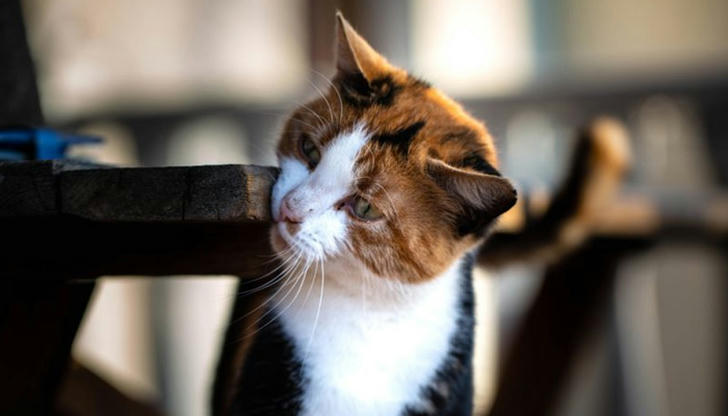
If your cat frequently paws at its mouth, rubs its face against furniture, or shakes its head, it could be trying to relieve oral discomfort.
This behavior is often linked to:
Tooth pain
Gum inflammation
Foreign objects stuck between teeth
Advanced dental disease
Because cats instinctively hide pain, these physical gestures are one of the clearer behavioral clues that something is wrong.
5. Red, Swollen, or Bleeding Gums
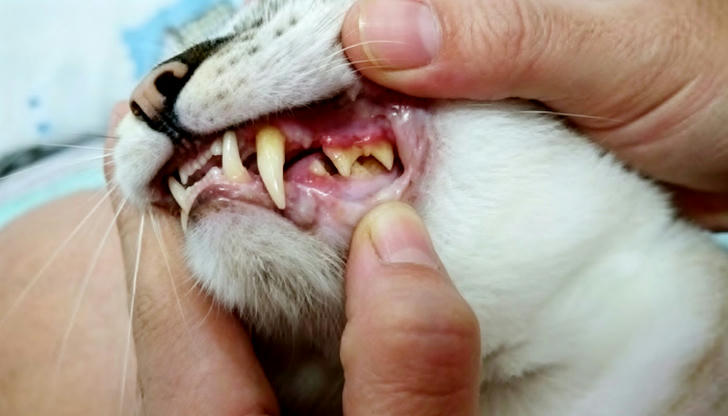
Healthy cat gums should be light pink and firm. Any redness, swelling, or bleeding is a strong indicator of gingivitis or more advanced periodontal disease.
You might notice:
Bleeding after chewing
Visible redness along the gum line
Receding gums exposing tooth roots
Gum disease is progressive and can quickly worsen if untreated, eventually leading to tooth loss and systemic infection risk.
6. Decreased Appetite or Sudden Weight Loss
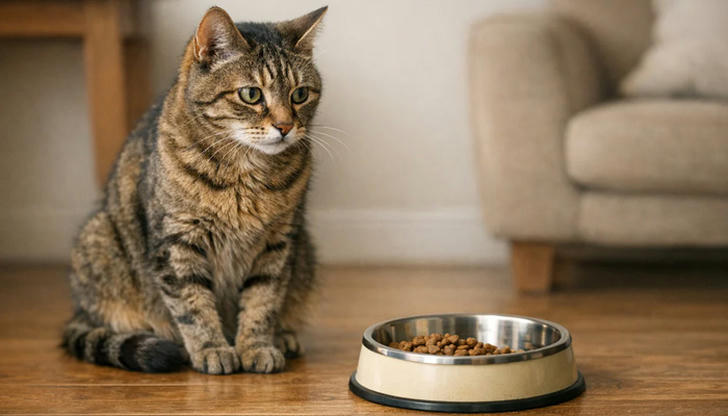
A cat that suddenly eats less, refuses hard food, or loses weight without explanation may be experiencing significant oral pain.
Dental disease makes chewing uncomfortable, so cats may avoid eating altogether or only pick at soft food. Over time, this can lead to noticeable weight loss and nutritional deficiencies.
This symptom is especially concerning because it often indicates moderate to severe dental problems rather than early-stage issues.
7. Behavioral Changes: Irritability or Withdrawal
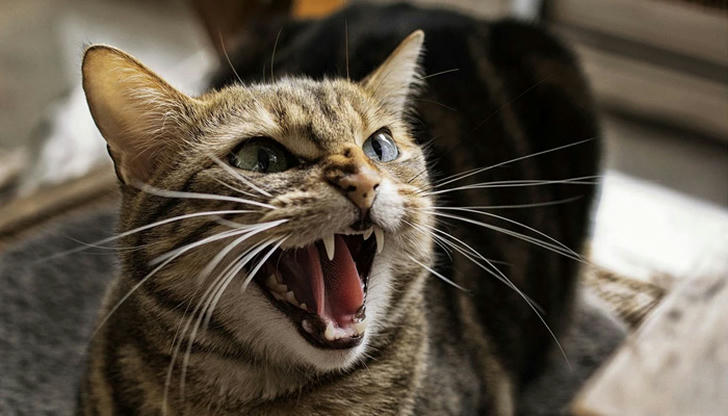
Pain doesn't just affect eating habits---it also affects behavior. Cats suffering from dental problems may become more irritable, less social, or unusually withdrawn.
You might observe:
Avoiding being touched around the face
Hiding more often
Reduced grooming behavior
Increased sensitivity or aggression
Because dental pain is constant and irritating, it can significantly impact your cat's mood and daily behavior.
Why These Signs Should Never Be Ignored
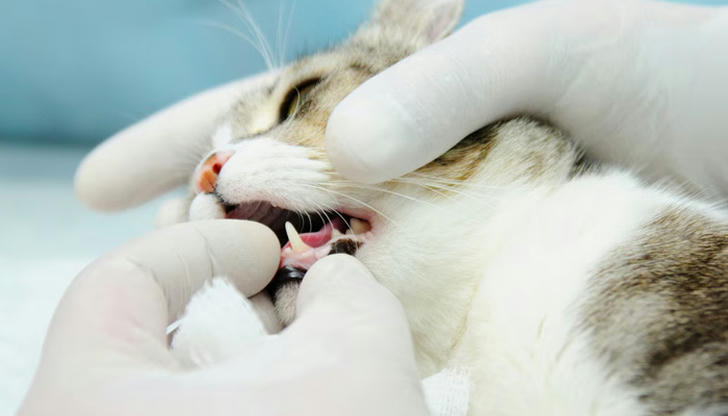
Dental disease in cats is progressive. It rarely resolves on its own and often worsens quietly over time. What starts as mild plaque can develop into severe periodontal disease, tooth resorption, or infections that affect internal organs.
The most dangerous part is that cats rarely show dramatic symptoms until the condition becomes advanced. By recognizing early warning signs, you can prevent unnecessary pain and expensive veterinary procedures.
What You Should Do If You Notice These Signs
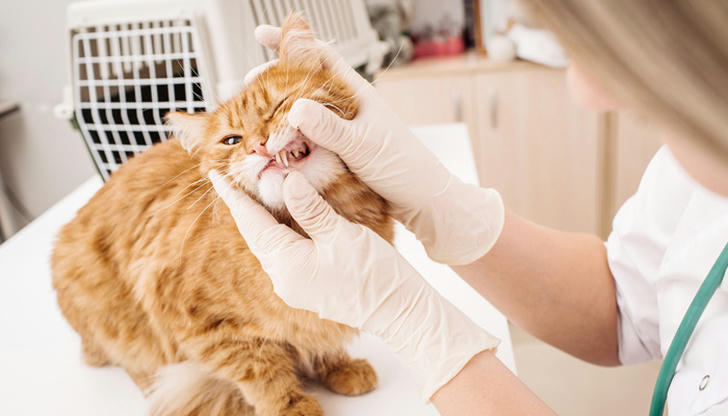
If you observe any of the symptoms above, the safest step is to schedule a veterinary dental examination. A vet can check for hidden issues under the gum line, where most dental disease develops.
Treatment may include:
Professional dental cleaning
Tooth extraction if necessary
Pain management and antibiotics
Early intervention often means simpler and less costly treatment.
Prevention Is Always Better Than Treatment
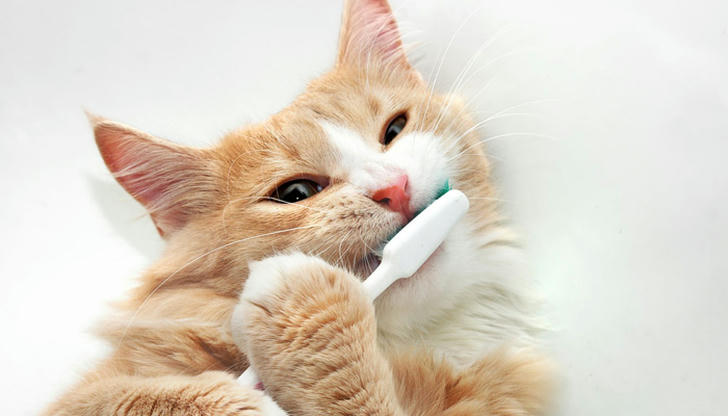
While dental disease is common, it is also highly manageable with consistent care. Regular brushing, dental-friendly diets, and routine veterinary check-ups can significantly reduce risk.
Even small habits---like introducing tooth brushing early or monitoring breath changes---can make a big difference over your cat's lifetime.
Final Thoughts

Your cat cannot tell you when something hurts, and dental pain is one of the easiest conditions for owners to miss. That's why awareness matters.
If your cat shows even one of these warning signs, don't wait for it to get worse. Early action can protect your cat from long-term discomfort and help them maintain a healthier, happier life.