
7 Early Signs of Parvovirus in Dogs Every Owner Should Know
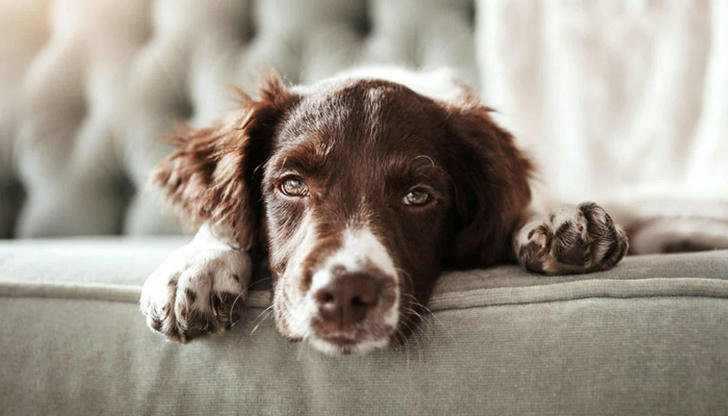
Canine parvovirus (parvo) is a highly contagious viral disease that mainly affects a dog's digestive system. It can cause severe vomiting, diarrhea, dehydration, and weakness. Puppies and unvaccinated dogs are most at risk, and symptoms can worsen quickly, which is why early recognition is extremely important.
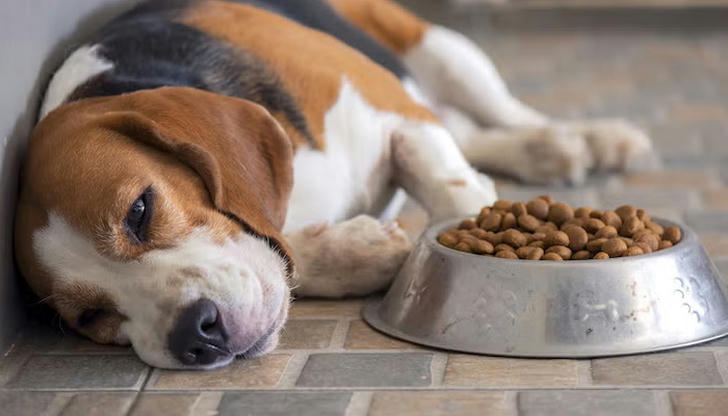
1. Early Sign #1: Sudden Loss of Appetite
One of the first signs of parvovirus is a sudden refusal to eat. Dogs that normally rush to their food bowl may suddenly ignore meals or even refuse their favorite treats.
While occasional appetite changes can happen for many harmless reasons, a complete loss of interest in food---especially if it lasts more than a day---can signal illness. In dogs with parvovirus, digestive discomfort often appears early, making eating unpleasant.
If appetite loss appears together with fatigue or vomiting, it may be a warning sign that something more serious is developing.
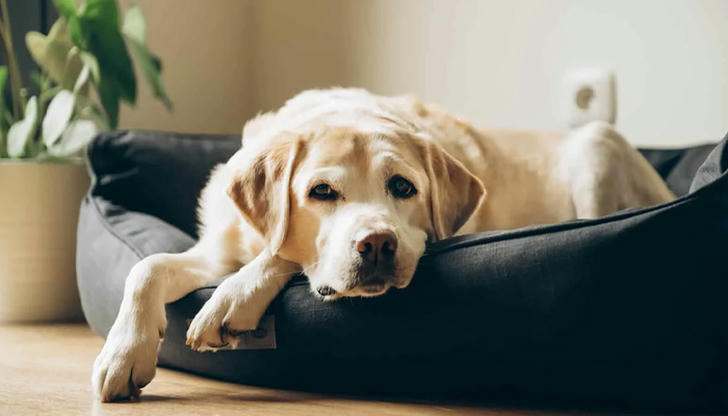
2. Early Sign #2: Unusual Lethargy and Weakness
Dogs infected with parvovirus often become extremely tired or unusually quiet. A puppy that normally runs, plays, and explores may suddenly spend most of the day lying down.
Pet owners sometimes mistake this behavior for simple tiredness, but parvo-related lethargy is usually more severe. The dog may appear weak, slow to respond, or uninterested in normal activities such as walks, toys, or interaction with family members.
This happens because the infection quickly puts stress on the body, draining energy as the immune system tries to fight the virus.
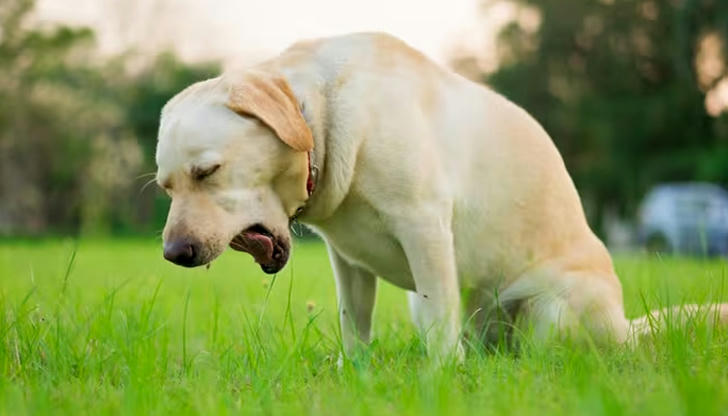
3. Early Sign #3: Vomiting
Frequent vomiting is another common early symptom of parvovirus. Some dogs begin vomiting shortly after eating or drinking, while others may vomit several times throughout the day.
The vomit may contain foam, bile, or partially digested food. In many cases, vomiting becomes persistent and difficult to control.
Vomiting is particularly dangerous because it contributes to rapid fluid loss. Combined with diarrhea, it can lead to severe dehydration within a short period of time.
4. Early Sign #4: Severe or Bloody Diarrhea
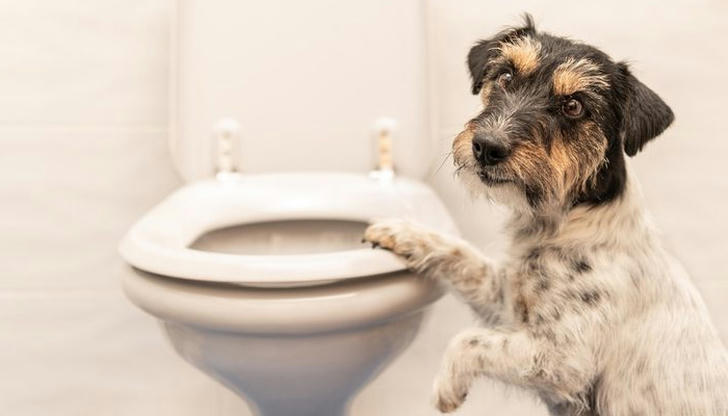
One of the most recognizable symptoms of parvovirus is severe diarrhea. At first, stools may simply appear loose or watery, but they can quickly become much worse.
Many dogs with parvo develop diarrhea that contains blood and has a very strong odor. This happens because the virus damages the lining of the intestines, causing inflammation and bleeding.
Severe diarrhea can cause rapid dehydration, which is one of the main reasons parvovirus becomes life-threatening without medical treatment.
5. Early Sign #5: Fever or Low Body Temperature
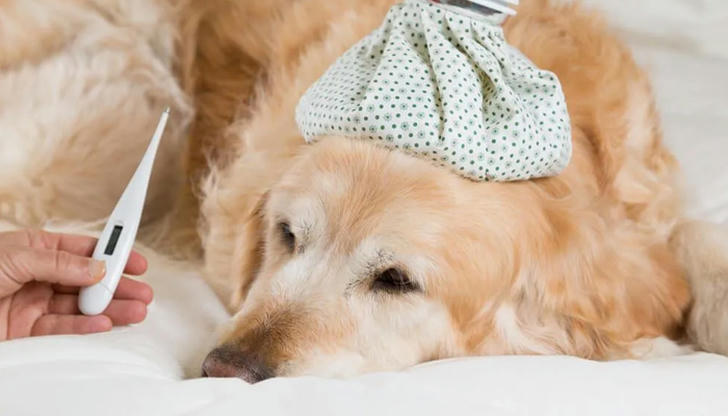
Dogs fighting infections often develop a fever as the immune system responds to the virus. A normal body temperature for dogs usually ranges between 101°F and 102.5°F (38.3°C to 39.2°C).
In early stages of parvovirus, a dog may develop a mild fever. However, as the illness progresses and the body becomes weaker, the temperature may drop below normal.
A low body temperature can be a sign that the condition is becoming serious and requires immediate medical attention.
6. Early Sign #6: Abdominal Pain and Sensitivity
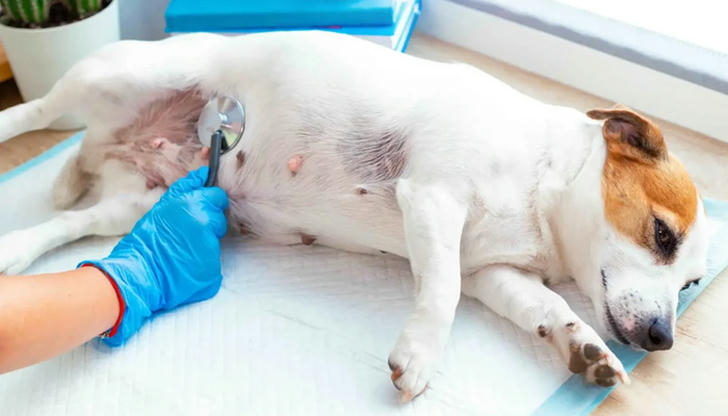
Parvovirus can cause significant irritation and inflammation in the digestive system. As a result, many infected dogs experience abdominal pain.
You might notice your dog reacting when the stomach area is touched. Some dogs whine, tense their body, or move away when their abdomen is pressed. Others may adopt a hunched posture or appear uncomfortable while lying down.
These behaviors can indicate intestinal inflammation, which is common in parvo infections.
7. Early Sign #7: Rapid Dehydration
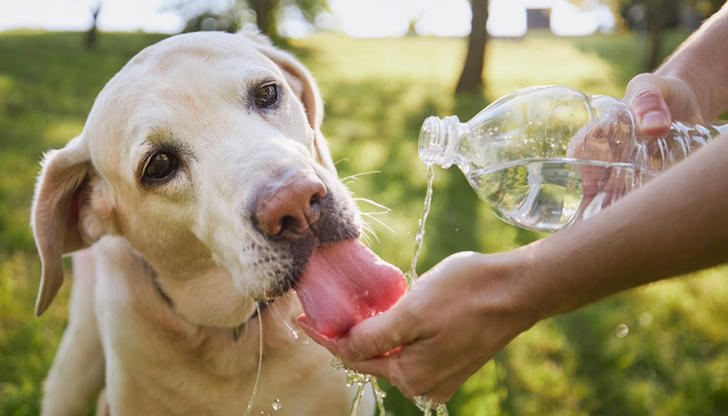
Dehydration is one of the most dangerous complications of parvovirus. Because infected dogs often experience both vomiting and diarrhea, they lose fluids very quickly.
Signs of dehydration may include:
Dry or sticky gums
Sunken eyes
Loss of skin elasticity
Weakness or collapse
A simple way to check hydration is the skin pinch test. Gently lift the skin on the back of the dog's neck. If it does not return quickly to its normal position, dehydration may be present.
8. How to Protect Your Dog From Parvovirus
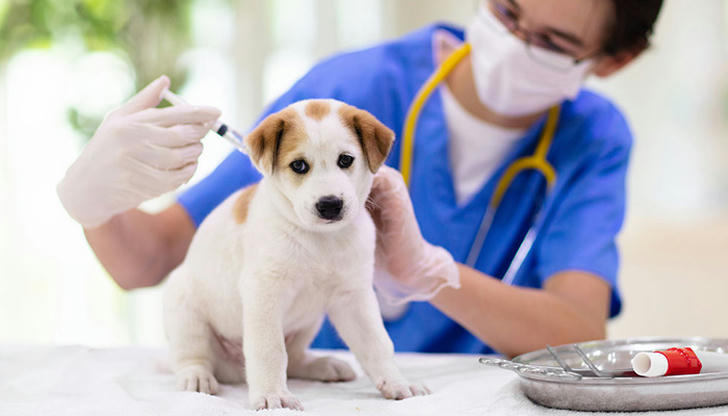
The most effective way to protect dogs from parvovirus is vaccination. Puppies typically receive a series of vaccinations starting at about six to eight weeks of age, followed by booster shots during their first year.
Pet owners can also reduce risk by avoiding high-traffic dog areas until puppies are fully vaccinated. Regular cleaning and proper hygiene---especially in places where dogs eat or sleep---can further help prevent the spread of infection.
9. When to Call a Veterinarian Immediately
Parvovirus is considered a medical emergency, especially for puppies. Immediate veterinary care is essential if your dog shows symptoms such as frequent vomiting, severe diarrhea, bloody stool, or extreme lethargy.
Because parvo can worsen rapidly, waiting too long to seek treatment can significantly reduce a dog's chances of recovery. Veterinarians may provide supportive care such as fluids, medications, and monitoring to help the dog fight the infection and prevent complications.