
Wet or Dry Cat Food? What Every Cat Owner Should Know

Choosing the right food for a cat isn't always straightforward. Walk down any pet food aisle, and you'll find shelves filled with canned meals, crunchy kibble, and countless nutritional claims. So, is wet food or dry food better?
Both options can provide excellent nutrition, but they differ in moisture, convenience, cost, and feeding experience. Understanding these differences makes it easier to choose a diet that fits a cat's health needs and daily routine.
1. Understanding Wet and Dry Cat Food
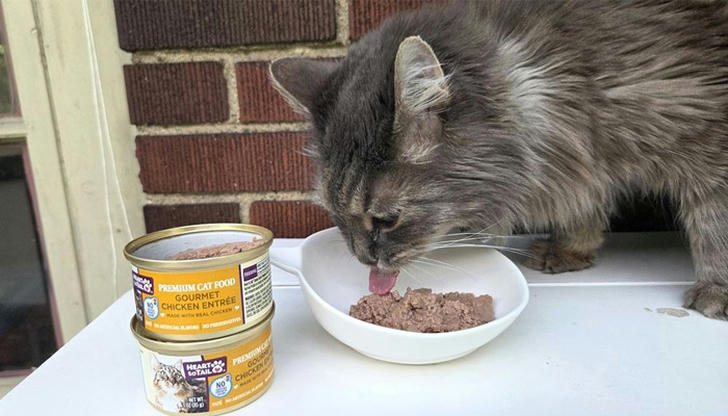
Wet cat food typically comes in cans, pouches, or trays and contains around 70–80% moisture. Its soft texture and rich aroma often appeal to cats that prefer meat-like meals. Dry cat food, commonly called kibble, usually contains about 10% moisture and comes in crunchy, shelf-stable pieces.
Despite their differences, both formats can provide complete and balanced nutrition. The key is choosing a product formulated for the cat's life stage, whether kitten, adult, or senior.
When comparing cat food, don't focus only on packaging claims or ingredient lists. Look for a nutritional adequacy statement indicating that the food meets recognized nutritional standards. A well-formulated diet matters more than whether the food comes from a can or a bag.
2. Benefits of Wet Cat Food

One of the biggest advantages of wet cat food is its moisture content. Cats naturally have a relatively low thirst drive, and some may not drink enough water to compensate for a dry diet. Wet food increases water intake through meals, which can be particularly useful for cats that need additional hydration.
Its soft texture is another benefit. Many cats enjoy the aroma and consistency of canned food, especially those that are picky eaters or have difficulty chewing.
Wet food can also make portion management easier for some owners because its higher water content generally means fewer calories per gram than dry kibble.
However, there are drawbacks. Wet food often costs more per calorie, requires refrigeration after opening, and shouldn't sit at room temperature for extended periods. These practical considerations matter when establishing a daily feeding routine.
3. Benefits of Dry Cat Food
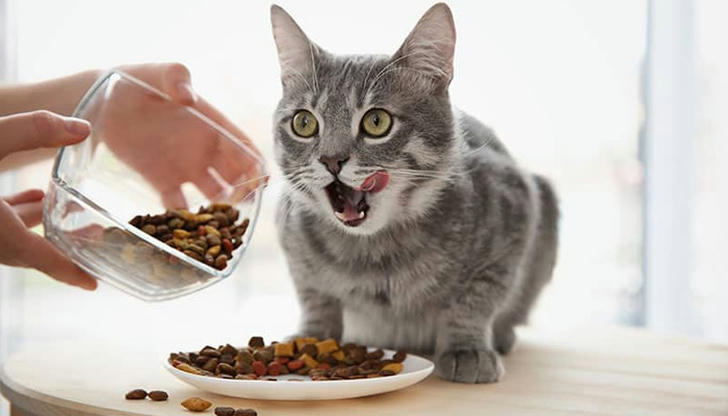
Dry cat food remains popular because it's convenient, affordable, and easy to store. An unopened bag generally has a long shelf life, while opened kibble can stay fresh when stored properly according to the manufacturer's instructions.
Another advantage is flexibility. Dry food works well with automatic feeders, allowing owners to schedule measured meals throughout the day. It can also be placed in food puzzles that encourage movement and mental stimulation.
For households with several cats, kibble may offer a more economical feeding option. Measuring portions is straightforward, and there's usually less preparation involved.
Still, dry food has limitations. Its low moisture content means cats must obtain more water from drinking. Kibble is also calorie-dense, making accidental overfeeding relatively easy.
Contrary to popular belief, ordinary dry food doesn't automatically clean a cat's teeth. Dental health generally requires dedicated care, although specially formulated dental diets may provide benefits.
4. Comparing Nutrition and Health Needs
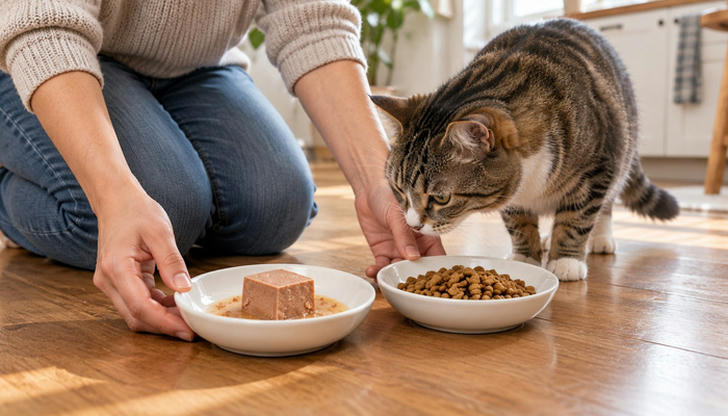
When considering wet food vs dry food for cats, nutritional quality should come before convenience or popularity.
Cats are obligate carnivores, meaning they require nutrients naturally found in animal tissues, including taurine and certain essential amino acids. Both wet and dry commercial diets can meet these requirements when properly formulated.
Calorie density is another important difference. Dry food usually provides more calories in a smaller serving, while wet food contains substantial water. Owners should compare calories per serving rather than assuming equal portions provide equal nutrition.
Health conditions may also influence the decision. Some cats with urinary concerns benefit from increased moisture intake, while overweight cats may do better with carefully controlled portions of an appropriate diet.
Older cats might appreciate softer meals, particularly if chewing becomes uncomfortable. However, age alone doesn't determine the ideal food.
Cats with kidney disease, diabetes, or other medical conditions may require specialized nutritional plans developed with a veterinarian.
5. Choosing the Right Food for Your Cat
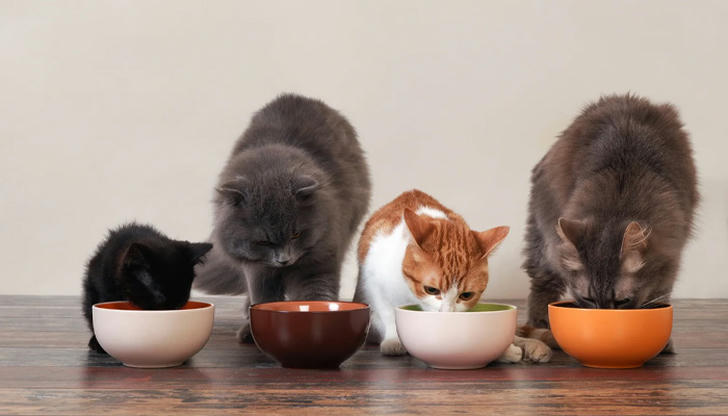
The best cat food depends on several factors, including age, weight, activity level, health status, and personal preferences.
Start by checking the package for a complete and balanced nutritional adequacy statement appropriate for the cat's life stage. In the United States, many products use statements based on AAFCO nutrient profiles or feeding trials.
Next, examine the feeding guidelines and calorie information. These recommendations provide a starting point, but actual portions may need adjusting according to body condition and activity.
Budget and lifestyle also matter. Wet food may offer hydration advantages, while dry food can simplify feeding schedules. Neither format is automatically superior for every household.
Pay attention to how the cat responds. A healthy appetite, stable body weight, normal digestion, and good overall condition are useful signs that a diet is working.
When nutritional concerns arise, a veterinarian can help evaluate suitable foods without relying on advertising claims alone.
6. Can Cats Eat Both Wet and Dry Food?

Yes! Many cats can enjoy a combination of wet and dry food, often called mixed feeding. This approach offers the convenience of kibble alongside the additional moisture provided by canned meals.
For example, a cat might receive a measured portion of wet food in the morning and dry food later in the day. The important thing is ensuring that the combined portions meet, rather than exceed, daily calorie needs.
Mixed feeding also provides variety in texture and flavor, which some cats appreciate. However, introducing new foods too quickly can cause digestive discomfort.
When changing a feeding routine, gradually mix increasing amounts of the new food with the existing diet over several days, adjusting the pace as needed.
Monitor appetite, stool quality, and body weight. Fresh drinking water should always remain available, regardless of the feeding method.
7. Making the Best Choice for Long-Term Health

The wet food versus dry food debate doesn't have one universal winner. Wet food offers valuable moisture and appealing textures, while dry food provides convenience, affordability, and easy storage. A combination may suit some households particularly well.
Ultimately, complete nutrition, appropriate calories, and consistent feeding habits matter more than choosing one format exclusively.
Take a closer look at your cat's current diet, check its nutritional information, and consider whether any adjustments could improve the feeding routine. Thoughtful choices today can support a healthier, happier feline companion for years to come.