
Homemade Dog Food: Is It Healthy to Cook for Your Dog?
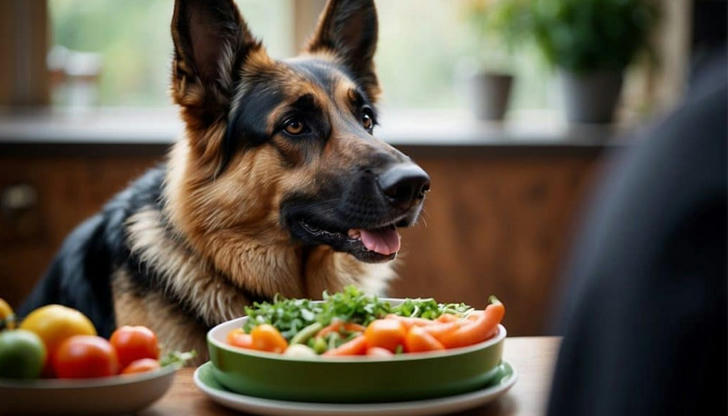
If you've ever peeked into your dog's bowl and wondered what's really going into their meals, you're not alone. More pet owners are considering homemade dog food as an alternative to commercial kibble. The idea of preparing fresh, wholesome meals for your furry friend sounds appealing---but is it really healthy? Let's dig into what homemade dog food means for your pet's diet and nutrition.
Why Some Owners Choose Homemade Dog Food

There are plenty of reasons dog owners turn to home cooking. One common motivation is control. When you cook your dog's food yourself, you know exactly what ingredients are going in, which can be especially reassuring for dogs with allergies or sensitivities. Some owners are also drawn to the idea of whole foods---lean meats, fresh vegetables, and wholesome grains---without the preservatives, fillers, or artificial flavors often found in commercial dog food.
Another factor is health conditions. Dogs with kidney issues, pancreatitis, or obesity may benefit from a specially tailored diet. Homemade meals allow owners to adjust protein, fat, and carbohydrate levels to meet specific health needs.
Finally, some pet parents simply enjoy bonding through food. Cooking for your dog can feel like an extension of the care you already provide, turning mealtime into a shared experience.
Nutritional Basics Every Dog Needs

Before you dive into recipes, it's crucial to understand what makes a balanced dog diet. Dogs require a mix of protein, fats, carbohydrates, vitamins, and minerals. Protein from meat, fish, or eggs is essential for muscle growth and maintenance. Healthy fats, like those from fish oil or chicken fat, provide energy and support skin and coat health. Carbohydrates, including rice, oats, or sweet potatoes, supply energy and fiber for digestion.
Vitamins and minerals are equally important. Calcium and phosphorus support strong bones and teeth, while vitamins A, D, E, and B-complex contribute to immune function and overall health. Commercial dog foods are formulated to include these nutrients in the right ratios, which is why homemade diets require careful planning.
Pros of Homemade Dog Food
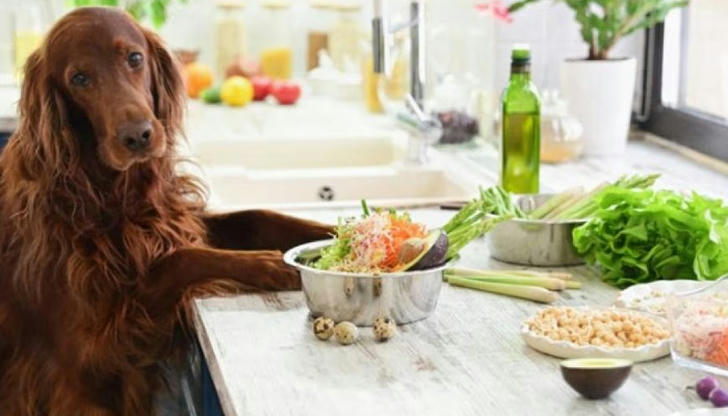
- Transparency: You know every ingredient in your dog's meal.
- Customization: Meals can be adjusted for age, weight, allergies, or health conditions.
- Freshness: Homemade food is free from preservatives and fillers.
- Quality control: You can choose organic or human-grade ingredients.
These benefits sound great, but there are some important caveats.
Cons and Risks
- Nutritional Imbalance: The most common risk is missing key nutrients. For example, a diet heavy in meat but low in calcium can lead to bone problems. Over-supplementing can also be dangerous.
- Time and Cost: Preparing balanced meals requires planning, shopping, and cooking. Ingredients like high-quality meats and fresh vegetables can be expensive.
- Food Safety: Raw meats and some vegetables can harbor bacteria or toxins. Proper cooking, storage, and portioning are essential.
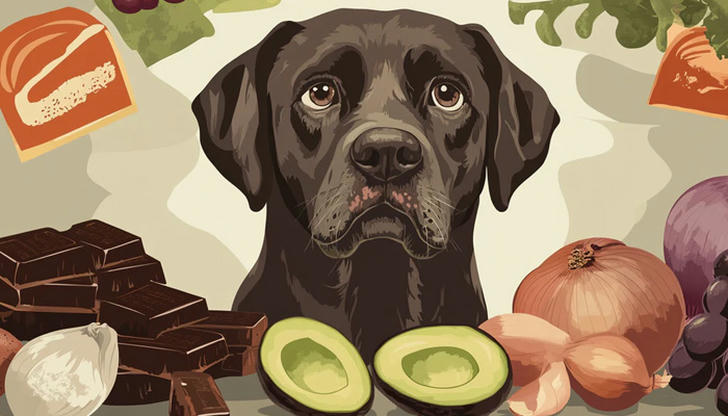
- Veterinary Guidance Required: Not all human foods are safe for dogs. Onions, garlic, grapes, chocolate, and artificial sweeteners are toxic to dogs.
Tips for Safe Homemade Meals
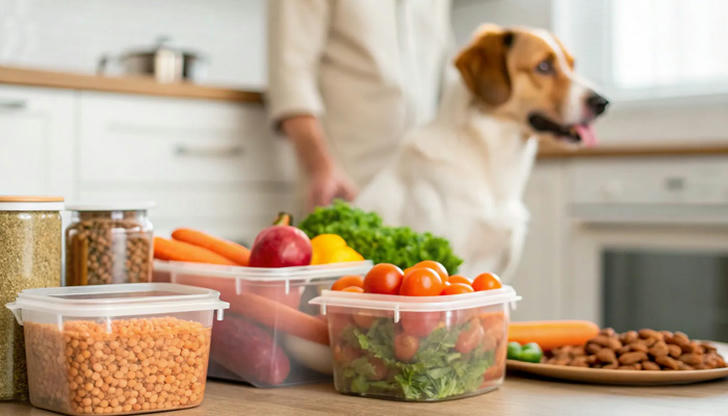
If you decide to cook for your dog, keep these tips in mind:
- Consult a vet or pet nutritionist before making major dietary changes. They can recommend supplements to ensure your dog gets all essential nutrients.
- Follow balanced recipes from trusted sources. Books and veterinary-approved websites offer recipes tailored to dog needs.
- Avoid harmful ingredients like onions, garlic, macadamia nuts, chocolate, grapes, and raisins.
- Cook proteins thoroughly to prevent bacterial contamination, especially poultry and beef.
- Measure portions carefully to prevent overfeeding or underfeeding. Dogs need precise amounts based on weight, activity level, and age.
Common Homemade Ingredients
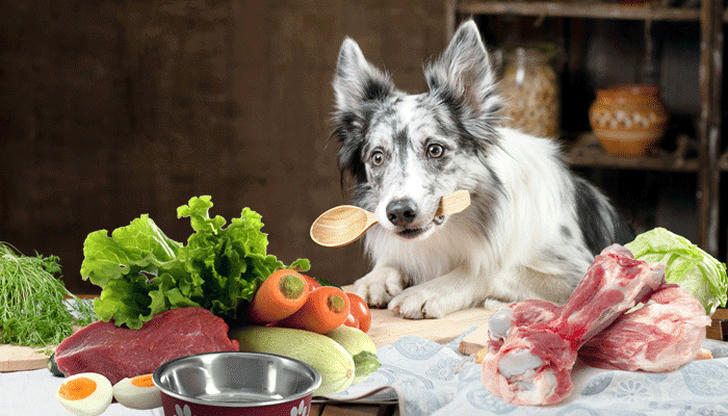
Some staples of homemade dog food include:
- Proteins: Chicken, turkey, beef, lamb, fish, or eggs.
- Carbohydrates: Brown rice, quinoa, oats, or sweet potatoes.
- Vegetables: Carrots, green beans, peas, pumpkin, or spinach (in moderation).
- Fats: Fish oil, olive oil, or flaxseed oil.
Always rotate ingredients to provide a variety of nutrients, but introduce new foods gradually to avoid digestive upset.
When Homemade Food is Best
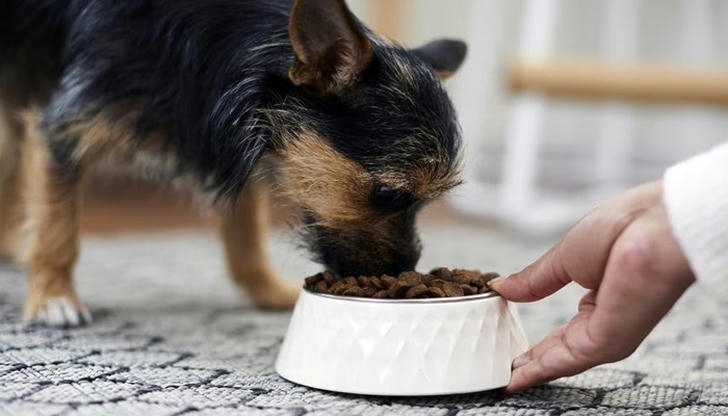
Homemade meals are particularly beneficial for:
- Dogs with allergies or intolerances that make commercial food unsuitable.
- Pets with chronic health conditions that require a precise diet.
- Owners who want to control ingredient quality and avoid additives.
However, for most healthy dogs, high-quality commercial dog food often provides a simpler, reliable, and nutritionally complete option.
The Bottom Line
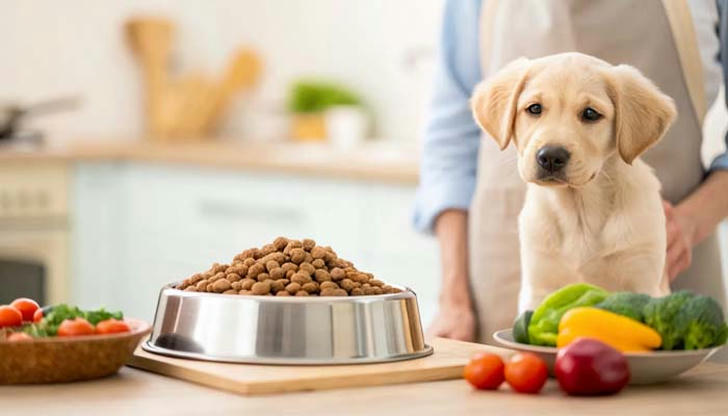
Homemade dog food can be healthy and rewarding if done properly, but it's not something to start on a whim. Dogs have specific nutritional needs that differ from humans, and even minor imbalances can lead to health issues over time. With careful planning, veterinary guidance, and attention to safe food handling, cooking for your dog can improve their health, help manage allergies, and provide a loving touch to mealtime.
Remember, there's no one-size-fits-all approach. Some dogs thrive on homemade meals, while others do just fine on high-quality commercial kibble. The key is balance, safety, and knowledge---and a willingness to put in the effort to ensure your furry friend stays healthy and happy.
So, are you ready to roll up your sleeves and whip up a fresh meal for your pup? Start with simple, vet-approved recipes and watch your dog thrive, one bite at a time.