
9 Pet Feeding Mistakes That Slowly Harm Your Dog's Health
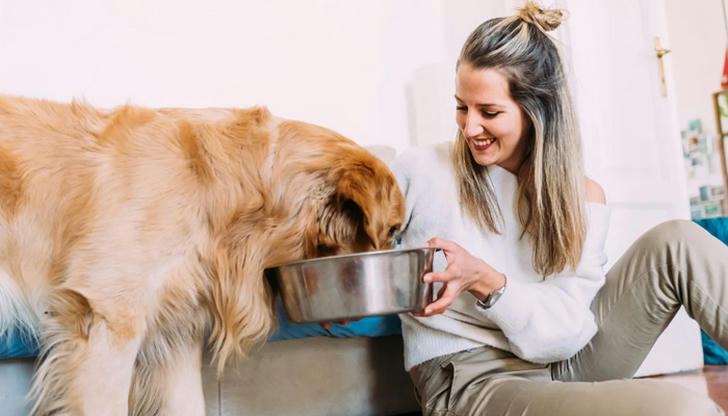
Most dog owners want the best for their pets. They buy quality food, offer treats as rewards, and rarely skip mealtime. Yet many feeding habits that seem harmless can gradually contribute to obesity, digestive issues, joint problems, or nutritional imbalances.
The good news is that these mistakes are often easy to fix once you recognize them. Here are nine common feeding habits that may be affecting your dog's long-term health.
1. Guessing Portions Instead of Measuring Food
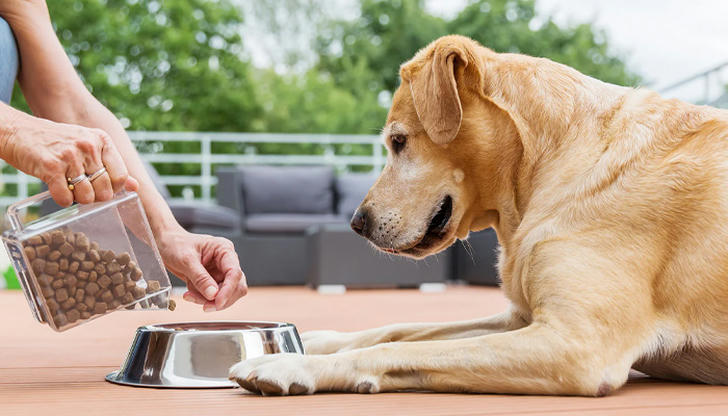
Eyeballing your dog's meals may seem harmless, but it's one of the easiest ways to overfeed. A little extra kibble at every meal can quickly add up over weeks and months. Because weight gain happens gradually, many owners don't realize there's a problem until their dog starts looking noticeably heavier.
Every dog has different calorie needs based on age, size, activity level, and overall health. A highly active dog may burn far more calories than one that spends most of the day indoors.
Instead of guessing, use a measuring cup or kitchen scale. Check the feeding guidelines on the food package as a starting point, then adjust portions based on your dog's body condition rather than appetite alone.
2. Giving Too Many Treats Throughout the Day
Treats are a great training tool and a fun way to reward good behavior, but they should never replace balanced nutrition. Many owners forget that every biscuit, dental chew, or piece of jerky adds calories.
The problem becomes even bigger when multiple family members give treats throughout the day. Your dog may receive far more snacks than anyone realizes.
A good rule is to keep treats to no more than about 10% of your dog's daily calorie intake. If your dog has an especially treat-filled day during training or social activities, slightly reduce the size of regular meals to help maintain a healthy calorie balance.
3. Letting Everyone in the Family Feed the Dog
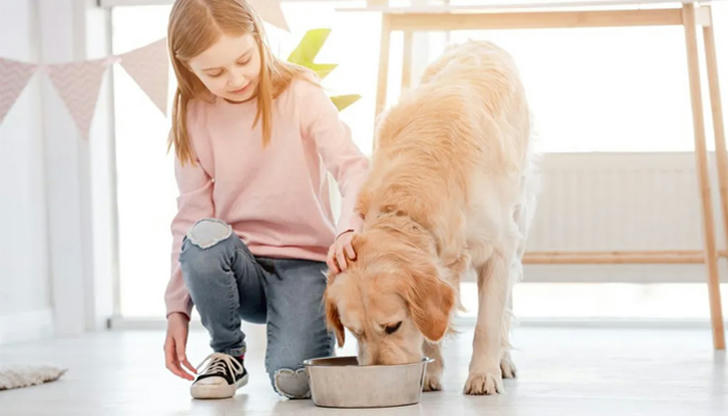
Dogs are excellent at convincing different people they're hungry. They may eat breakfast from one person, receive treats from another, and still manage to get table scraps during dinner.
In many households, no one intentionally overfeeds the dog. Instead, everyone assumes someone else hasn't fed them yet.
Creating a simple feeding schedule can solve this problem. Use a whiteboard, calendar, or shared phone note to track meals and treats. Making one person responsible for measuring food each day also helps prevent accidental double feeding.
4. Feeding Table Scraps Too Often
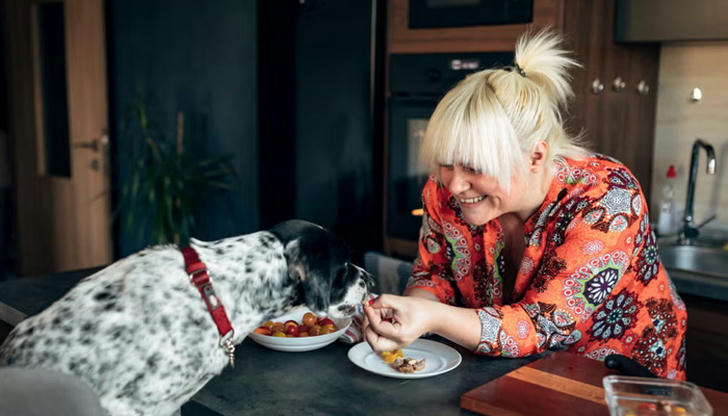
Sharing food with your dog can feel like an act of love, especially when those hopeful eyes are staring at you during dinner. However, many human foods contain much more fat, salt, sugar, or seasoning than dogs should regularly consume.
Even foods that seem harmless can encourage begging behavior and make your dog less interested in their balanced meals. Rich leftovers may also upset sensitive stomachs.
If you enjoy sharing food, choose plain, dog-safe options in small amounts, such as cooked lean chicken or plain carrots. Keeping human leftovers as an occasional treat instead of a daily habit can help protect your dog's long-term health.
5. Changing Dog Food Too Frequently
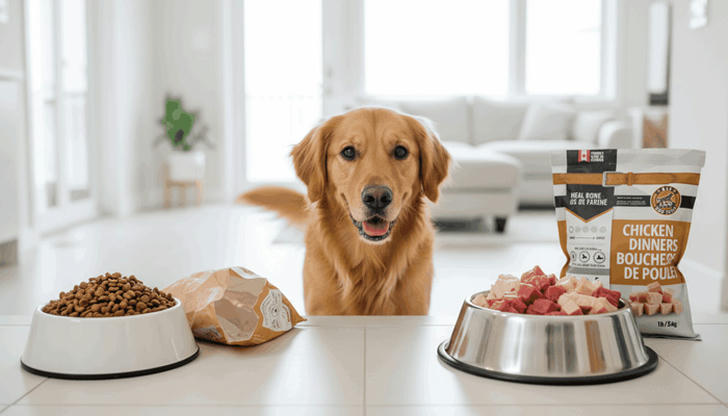
New dog foods appear on store shelves all the time, often promising shinier coats, better digestion, or increased energy. While it's tempting to keep trying the latest products, frequent diet changes aren't always beneficial.
Sudden food changes can lead to digestive upset, including vomiting or diarrhea. They can also make it difficult to identify whether a specific ingredient is causing a food sensitivity.
Unless your veterinarian recommends a change or your dog has a clear nutritional need, there's usually no reason to switch foods often. When changing diets, transition gradually over seven to ten days by slowly increasing the amount of the new food while decreasing the old one.
6. Assuming Expensive Food Is Always Better
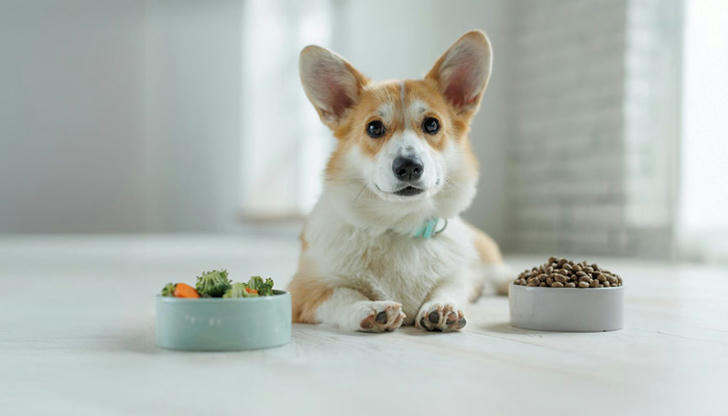
Many premium dog foods feature attractive packaging and impressive marketing claims. While some high-quality products certainly deserve their reputation, a higher price doesn't automatically guarantee better nutrition.
Instead of focusing only on cost, pay attention to whether the food provides complete and balanced nutrition for your dog's life stage. Your dog's health, energy level, body condition, and digestion are often better indicators of a suitable diet than the price tag.
Choosing a food that meets your dog's individual needs is usually more important than chasing the newest premium trend.
7. Ignoring Weight Changes Until They Become Obvious
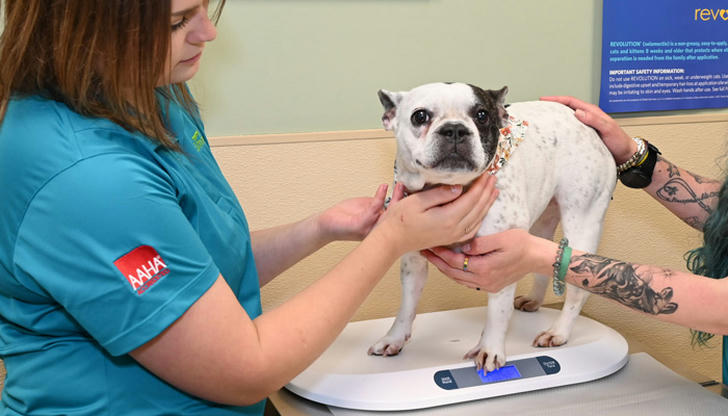
Because owners see their dogs every day, gradual weight gain can easily go unnoticed. What starts as one extra pound may slowly become a much larger problem.
Excess weight increases stress on joints, reduces mobility, and may contribute to health conditions later in life. Even a small reduction in body weight can improve comfort and quality of life for overweight dogs.
Check your dog's weight regularly. You should be able to feel the ribs without pressing too hard, and your dog should have a visible waist when viewed from above. If you're unsure, ask your veterinarian to assess your dog's body condition during routine visits.
8. Forgetting That Older Dogs Need Different Nutrition
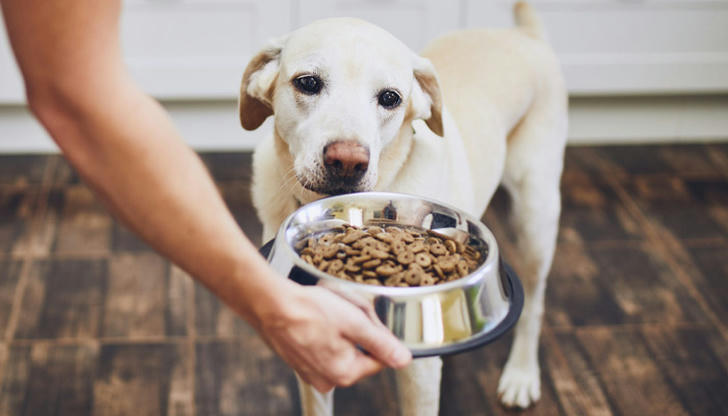
A food that worked perfectly when your dog was young may not provide the same benefits during the senior years. As dogs age, they often become less active while facing new challenges such as joint stiffness, reduced muscle mass, or changes in digestion.
Older dogs may need fewer calories to prevent weight gain, while still requiring enough high-quality protein to maintain muscle. Some may also benefit from diets designed to support joint or cognitive health.
Review your dog's nutrition every few years instead of assuming the same feeding routine will always be appropriate. Small adjustments can make a meaningful difference as your dog grows older.
9. Using Food as the Solution for Everything
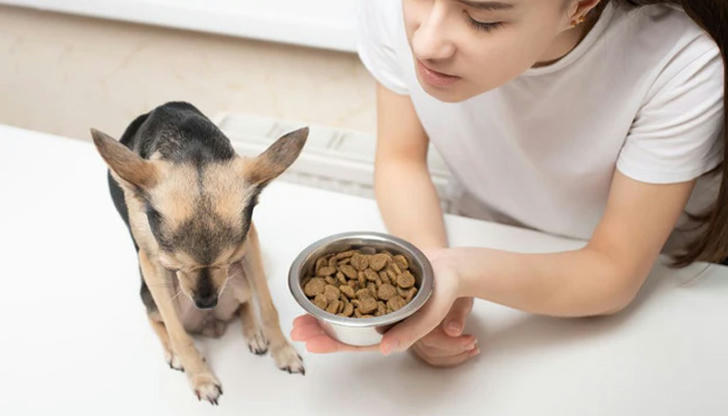
Food is one of the easiest ways to make a dog happy, but it shouldn't become the answer to every situation. Some owners offer treats whenever their dog seems bored, lonely, excited, or simply asks for attention.
Over time, dogs learn that begging or demanding attention leads to food. This habit can increase calorie intake while reducing opportunities for exercise and mental stimulation.
Instead of automatically reaching for a treat, try taking your dog for a short walk, playing a quick game, practicing a few training commands, or offering a favorite toy. These activities strengthen your bond while supporting both physical and mental well-being.
Conclusion
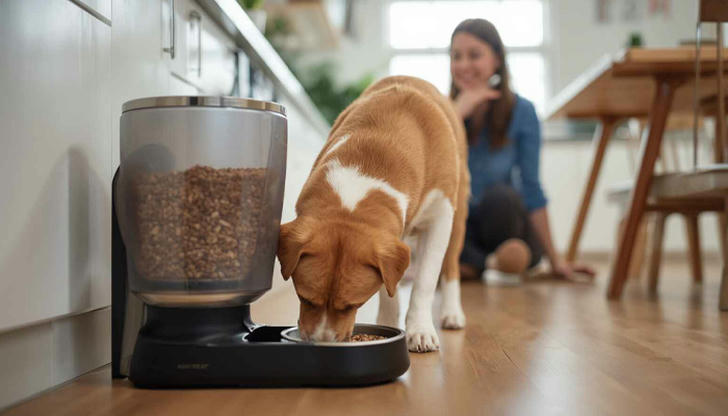
Healthy feeding isn't just about buying the most expensive dog food. The small decisions you make every day---measuring meals, limiting treats, avoiding frequent diet changes, and monitoring your dog's weight---can have a lasting impact on your dog's health.
No owner gets everything perfect, and even experienced pet parents can develop habits without realizing it. The important thing is to recognize these common mistakes and make simple adjustments before they become bigger problems. A few small changes today can help your dog stay healthier, more energetic, and enjoy many happy years by your side.