
7 Inflammation Myths You Should Stop Believing (Before They Wreck Your Diet)

Inflammation has become the villain of modern health advice. Scroll through social media or skim nutrition blogs, and suddenly everything---from bread to bananas---is "inflammatory." The problem? A lot of this advice is oversimplified, outdated, or just plain wrong. And if you follow it blindly, you might end up cutting out perfectly healthy foods while missing what actually matters.
Let's clear the noise. Here are seven common inflammation myths that deserve to be retired---along with what you should focus on instead.
1. All Inflammation Is Bad

This is the biggest misconception.
Inflammation isn't your enemy---it's your body's built-in defense system. When you get a cut or fight off an infection, inflammation helps you heal. That's acute inflammation, and it's essential.
The real issue is chronic, low-grade inflammation, which can linger for years and is linked to conditions like heart disease and diabetes. But treating all inflammation as harmful is like saying all stress is bad---some of it is actually necessary for survival.
What to do instead: Focus on reducing chronic inflammation through lifestyle habits, not eliminating inflammation entirely.
2. You Need an "Anti-Inflammatory Diet" Label to Eat Healthy

The term "anti-inflammatory diet" sounds scientific, but it's mostly marketing.
There's no single official diet that magically reduces inflammation. What people call "anti-inflammatory" is usually just a balanced, whole-food diet: vegetables, fruits, whole grains, healthy fats, and lean proteins.
You don't need a trendy label to eat well.
What to do instead: If your plate looks like real food---not ultra-processed snacks---you're already on the right track.
3. Carbs Cause Inflammation

Carbs have been unfairly blamed for years.
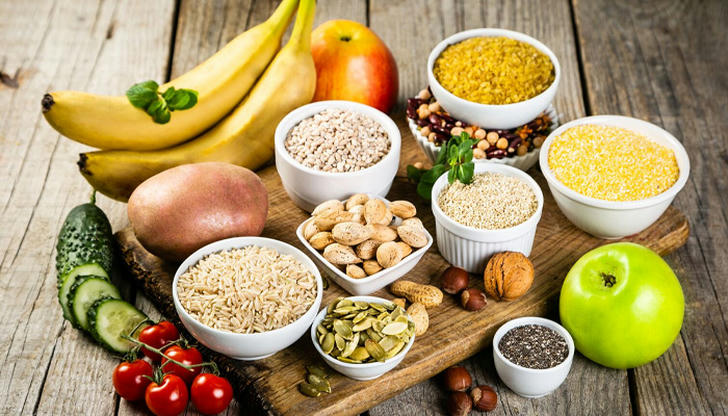
Highly refined carbs---like sugary drinks and white pastries---can contribute to inflammation when eaten in excess. But lumping all carbs together is misleading. Whole-food carbs like oats, brown rice, beans, and fruits actually contain fiber and antioxidants that may reduce inflammation.
Cutting carbs entirely often means cutting out these beneficial nutrients.
What to do instead: Swap refined carbs for whole ones. It's not about removing carbs---it's about choosing better versions.
4. Gluten Is Inflammatory for Everyone

Gluten has become a default suspect in many diets.
For people with celiac disease or gluten sensitivity, avoiding gluten is essential. But for the majority of people, there's no strong evidence that gluten causes inflammation.
In fact, many gluten-containing foods---like whole wheat---are rich in fiber and nutrients that support gut health.
What to do instead: Unless you have a diagnosed issue, there's no need to fear gluten. Focus on overall diet quality instead of single ingredients.
5. Dairy Always Causes Inflammation

Dairy is another food group that gets blamed across the board.
Some people are lactose intolerant or sensitive to dairy proteins, and for them, dairy can cause discomfort. But for others, dairy products like yogurt and kefir may actually support gut health due to probiotics.
Research doesn't support the idea that dairy universally increases inflammation.
What to do instead: Pay attention to your own body. If dairy doesn't bother you, there's no reason to eliminate it.
6. You Can "Detox" Inflammation with Juices or Supplements

Juice cleanses and "anti-inflammatory shots" promise quick fixes---but your body doesn't work that way.
Your liver and kidneys already detox your system. No juice cleanse will suddenly erase chronic inflammation built up from months or years of habits.
Even supplements marketed as anti-inflammatory (like turmeric capsules or green powders) have limited effects compared to overall diet and lifestyle.
What to do instead: Skip the quick fixes. Consistency---sleep, movement, and balanced meals---has far more impact than any short-term cleanse.
7. One "Superfood" Can Fix Everything
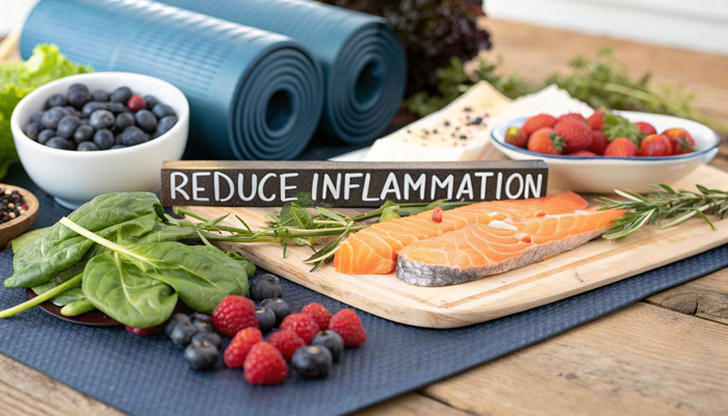
Blueberries, turmeric, salmon---yes, they're healthy. But no single food can cancel out a poor diet.
The idea of a "superfood" creates a false sense of security. You can't eat fast food all week and then fix it with a smoothie.
Inflammation is influenced by your overall pattern, not one or two "hero" foods.
What to do instead: Think in patterns, not individual foods. A diet rich in variety will always outperform a diet focused on a few "superstars."
So What Actually Helps Reduce Inflammation?
Once you strip away the myths, the real advice is surprisingly simple---and not very flashy.
- Eat more whole foods: Vegetables, fruits, legumes, nuts, and whole grains
- Choose healthy fats: Olive oil, fatty fish, seeds
- Limit ultra-processed foods: Packaged snacks, sugary drinks, fast food
- Stay active: Regular movement helps regulate inflammatory markers
- Prioritize sleep: Poor sleep is strongly linked to inflammation
- Manage stress: Chronic stress can quietly fuel inflammation over time
No extremes. No elimination of entire food groups (unless medically necessary). Just consistent, realistic habits.
The Bottom Line

Inflammation isn't something you can hack with a trendy diet or eliminate with a single food rule. It's shaped by your daily choices---what you eat, how you move, how you sleep, and how you handle stress.
The biggest mistake people make? Chasing myths instead of focusing on fundamentals.
If your diet feels restrictive, confusing, or full of "forbidden" foods, that's usually a sign you've fallen into the myth trap. Step back, simplify, and focus on what actually works.
Because in the end, the most effective "anti-inflammatory plan" isn't extreme---it's sustainable.