
7 Anti-Inflammatory Foods You Should Be Eating This Spring
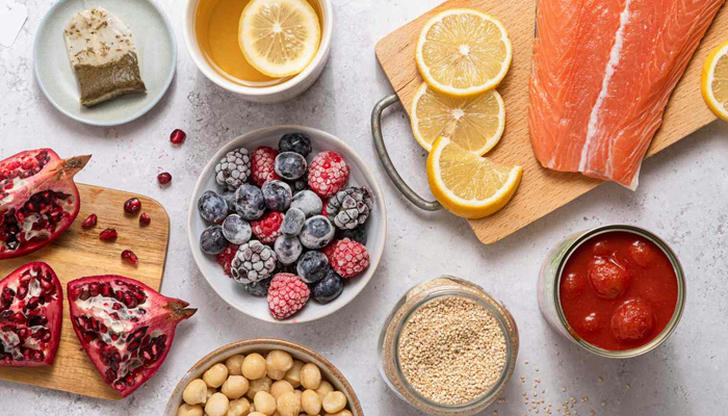
Spring feels like a reset button. The days get longer, the air feels lighter, and fresh produce starts showing up everywhere. It is also the perfect time to reset your eating habits. After a winter full of heavier comfort foods, many people notice they feel sluggish, puffy, or just not at their best.
A lot of that "blah" feeling can be linked to inflammation.
Here are seven anti-inflammatory foods that are in season (or easy to find fresh) in spring---and worth adding to your meals right now.
1. Asparagus
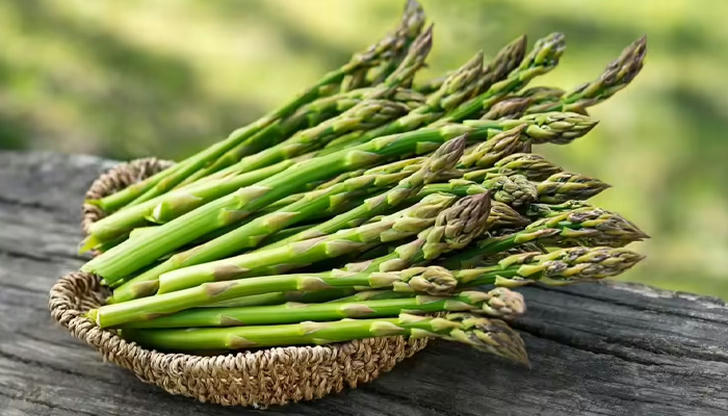
Spring and asparagus practically go hand in hand.
Asparagus is rich in antioxidants like vitamin C and glutathione, which help fight oxidative stress in the body. Oxidative stress is one of the main drivers of chronic inflammation. It is also high in fiber, which supports a healthy gut. And a healthy gut plays a huge role in controlling inflammation.
Many people overlook asparagus because they are not sure how to cook it. Keep it simple. Toss it with olive oil, salt, and pepper, then roast it for 10 to 15 minutes. You can also shave it raw into salads for a fresh, slightly nutty crunch.
2. Spinach
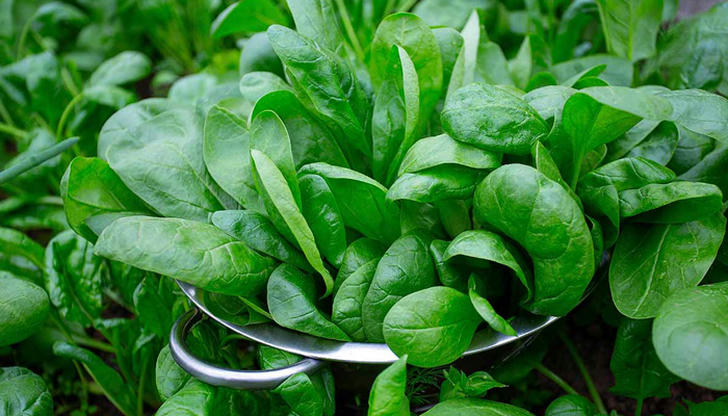
Leafy greens are anti-inflammatory powerhouses, and spinach is one of the easiest to use.
Spinach contains vitamin K, beta-carotene, and several plant compounds that help reduce inflammatory markers in the body. It is also gentle on digestion compared to some other greens, making it a good choice if your stomach feels sensitive.
If you only use spinach in salads, you are missing out. Add a handful to scrambled eggs, stir it into soups, or blend it into a smoothie. It wilts quickly and blends well with almost anything, so it is an easy upgrade to everyday meals.
3. Strawberries

Spring strawberries taste completely different from the bland winter versions. They are sweeter, juicier, and full of nutrients.
Strawberries are packed with anthocyanins, the compounds that give them their red color. These antioxidants help reduce inflammation and may support heart health. They are also high in vitamin C, which supports your immune system.
Instead of turning them into sugary desserts, try adding fresh strawberries to plain yogurt, oatmeal, or a spinach salad with a light vinaigrette. You get the sweetness without the inflammatory hit from added sugar.
4. Salmon
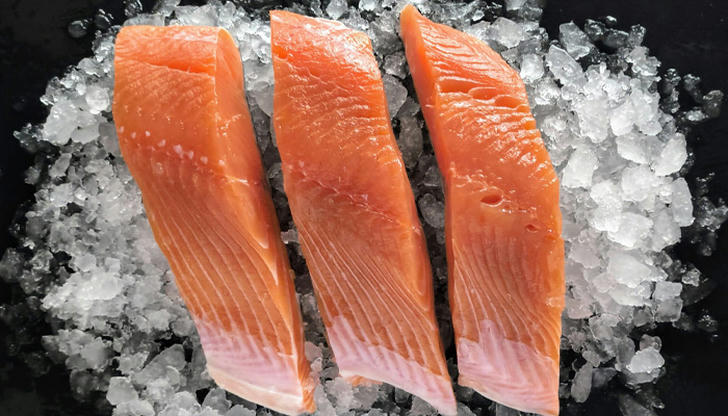
Not a spring vegetable, but definitely a spring essential.
Fatty fish like salmon are rich in omega-3 fatty acids. Omega-3s are well known for their ability to reduce inflammation in the body. They can help with joint stiffness, heart health, and even mood balance.
If you usually fry your fish, consider baking or grilling it instead. Pair it with roasted asparagus or a fresh spinach salad for a simple anti-inflammatory dinner. Aim for salmon two times a week if possible.
If fresh salmon feels expensive, frozen wild-caught options can be just as nutritious and more budget-friendly.
5. Radishes

Radishes are often treated as decoration, but they deserve more attention.
These crunchy spring vegetables contain antioxidants and natural compounds that may help reduce inflammation and support liver function. They also add a peppery bite that wakes up salads and grain bowls.
Try slicing radishes thinly and tossing them with lemon juice and olive oil. You can even roast them. Roasted radishes become milder and slightly sweet, which surprises many people.
6. Turmeric

Turmeric is not seasonal, but spring is a great time to start using it more.
Curcumin, the active compound in turmeric, has strong anti-inflammatory properties. It has been studied for its potential benefits in joint pain, arthritis, and metabolic health.
You do not need complicated recipes. Add a pinch of turmeric to scrambled eggs, soups, or rice. Combine it with black pepper to improve absorption. You can also stir it into warm milk or a plant-based alternative for a simple "golden milk" drink in the evening.
Consistency matters more than quantity. A little bit regularly can go a long way.
7. Green Tea
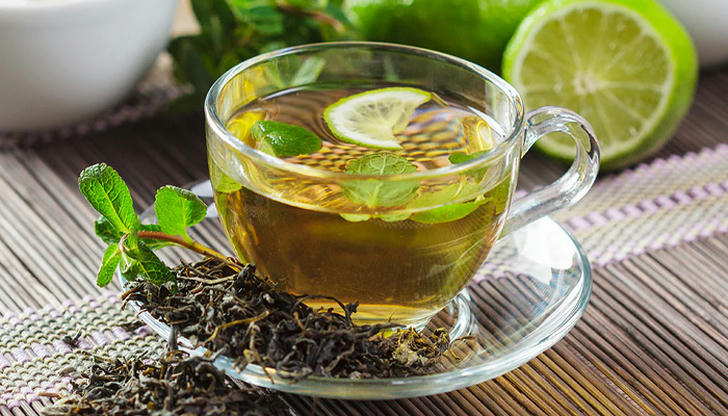
If spring cleaning applies to your house, it can apply to your beverage choices too.
Green tea is rich in catechins, powerful antioxidants that help fight inflammation and protect cells from damage. Swapping one sugary drink a day for green tea can lower both your sugar intake and your inflammatory load.
Brew it fresh and let it cool if you prefer iced tea. Avoid bottled versions loaded with added sugars. A squeeze of lemon can boost both flavor and antioxidant activity.
How to Make It Work in Real Life
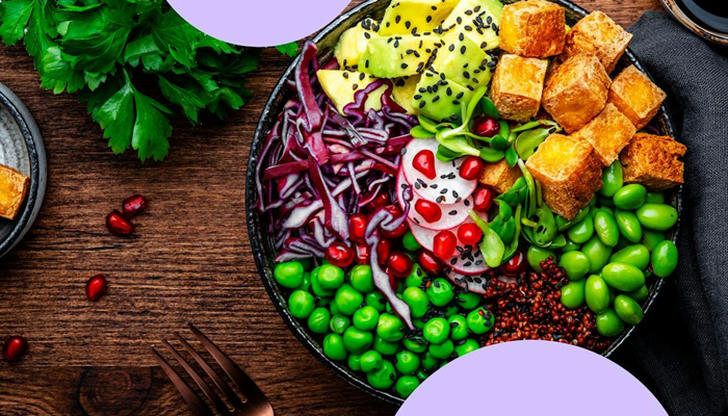
Reading about healthy foods is easy. Eating them consistently is the real challenge.
Start small. Add one anti-inflammatory food to your routine this week. Maybe you swap your afternoon soda for green tea. Maybe you roast asparagus for Sunday dinner. Build from there.
Also remember that it is not about one "superfood." Chronic inflammation usually comes from patterns: too much processed food, too much sugar, too little fiber, not enough sleep, high stress. These spring foods work best as part of an overall balanced lifestyle.
Think of your meals as daily maintenance. Just like you would not ignore a small problem in your car and expect it to fix itself, ignoring low-level inflammation can catch up with you over time. The earlier you adjust your habits, the better your long-term health outcomes tend to be.
A Simple Spring Plate
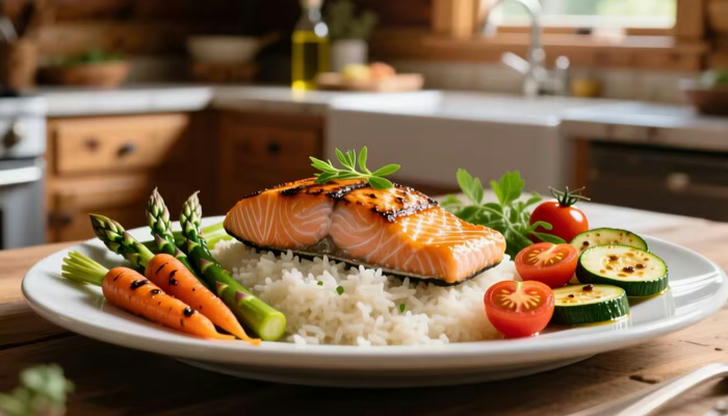
If you want an easy formula, try this:
Half your plate: vegetables like spinach, asparagus, and radishes
A quarter: lean protein such as salmon
A quarter: whole grains or legumes
On the side: fresh strawberries
To drink: green tea
It is not complicated. It is seasonal, colorful, and practical.
Spring is about renewal. Let your diet reflect that. By choosing anti-inflammatory foods that are fresh and in season, you are not just eating lighter. You are giving your body the tools it needs to feel stronger, clearer, and more energized in the months ahead.